
Reviewed · PRIVATE
Chania Battle of Crete Private Tour: WW2 Military History
WW2 maps came to life in Chania. This Battle of Crete private tour links the big moments to specific ground you can still stand on, with a certified historian/archaeologist guide using rare archive material to explain what happened and why it matters.
I especially love the way you get both ends of the story: German sites like Maleme and Hill 107, plus two war cemeteries where you pay respect to those who died. I also like the on-the-ground contrast—then and now—because the stops include an abandoned German bunker and a private WW2 museum/shelter with rare finds, not just monuments and viewpoints.
One thing to consider: it’s a 7-hour, rain-or-shine day, and since food/drinks aren’t included, you’ll want to plan for a coffee/lunch break that’s scheduled rather than spontaneous.
In This Review
- Key highlights worth planning around
- Entering the Battle of Crete through specific ground
- Maleme Airport: the campaign begins where aircraft and survival met
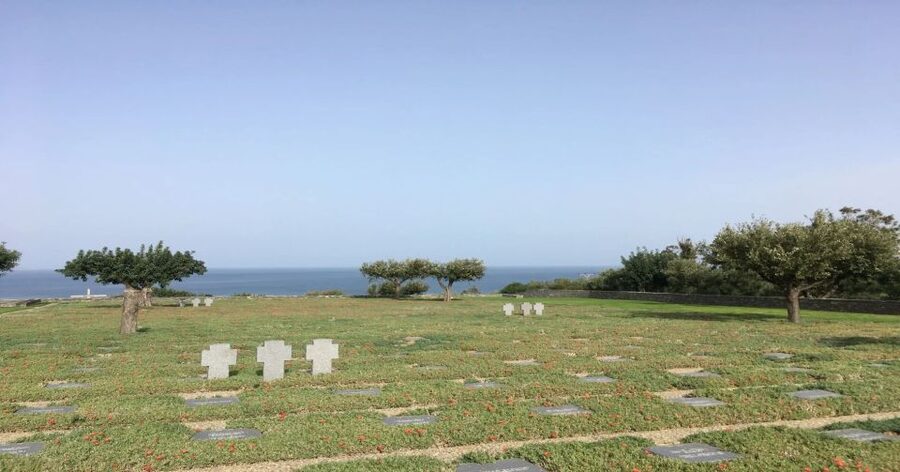
- Hill 107 and the German War Cemetery: where the scale hits you
- Commonwealth remembrance at Souda Bay, with bay views
- Tavronitis Bridge, Galatas, and Prison Valley: the battle’s movement, not just one point
- Abandoned German bunker visits: the most daring part of the day
- Private museum and WW2 war shelter: rare finds you can actually see
- The day’s flow: how the 7 hours are paced
- Value: is $182 per person worth it?
- Who should book this tour in Chania
- Should you book this Chania Battle of Crete tour?
- FAQ
- How long is the Chania Battle of Crete private tour?
- Where does pickup happen?
- What places do you visit during the tour?
- Are there war cemeteries included?
- Is the tour private or shared?
- What languages is the tour offered in?
- Is food included in the price?
- Will the tour run in bad weather?
- What should I bring?
- Is there free cancellation?
Key highlights worth planning around
- Maleme Airport and RAF-linked memorial stops that set the campaign’s opening in context
- Hill 107 and the German War Cemetery where the ground-level reality of loss is hard to ignore
- Commonwealth allies’ Souda Bay cemetery with bay views and a respectful, reflective pace
- Abandoned German bunkers/lockouts in undisclosed locations that many people never get to see
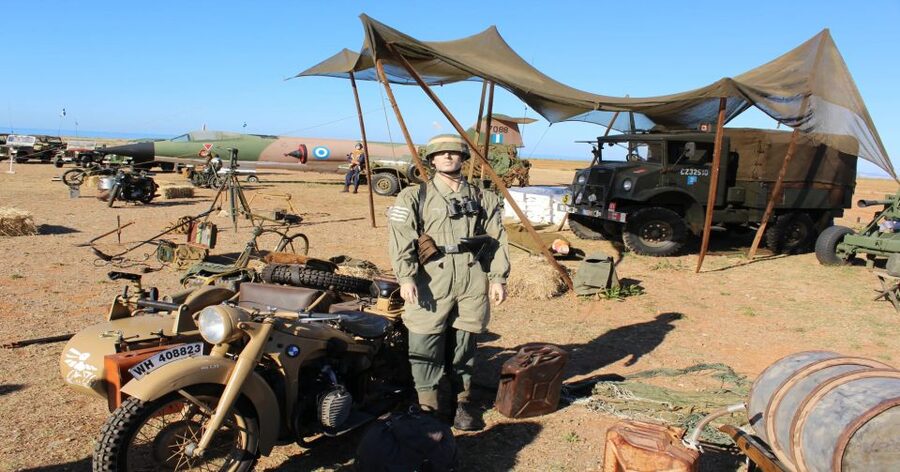
- A private WW2 museum/war shelter with rare memorabilia and archive photos used on the tour
- A flexible, private-group feel (including accommodations and route tailoring when timing is tight)
Entering the Battle of Crete through specific ground
Chania is a great base, but a Battle of Crete tour really only clicks when you’re standing on the exact terrain where the fighting unfolded. This private tour does that, starting in the Chania area and then moving toward key Axis and Allied locations tied to the 1941 campaign.
What makes it feel different from a standard sightseeing loop is the guide’s framing. You’re not just getting facts in order—you’re getting the logic of decisions: why Maleme mattered, why Hill 107 became so contested, and how the fighting connected to the wider war picture.
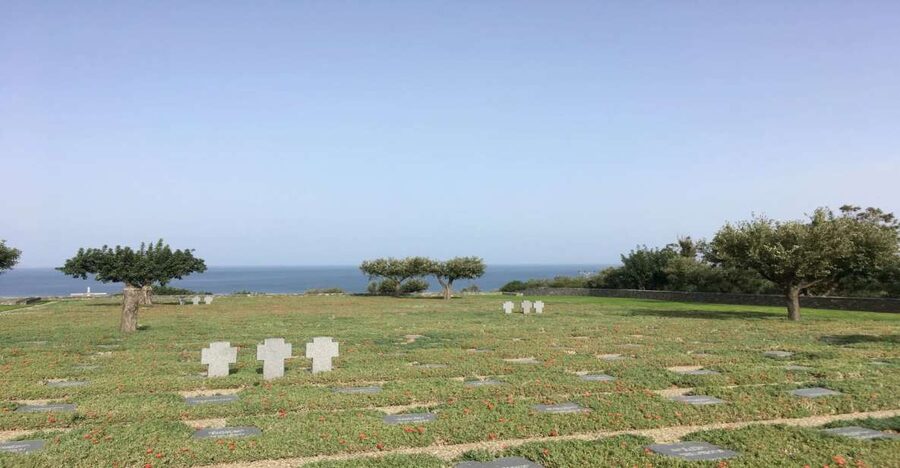
This is also a tour that respects the topic. Two separate cemetery stops are built in, so you’re not rushing past the human cost on the way to the next bunker photo op.
More private Chania tours to make your own
- Wine & Olive Oil Tour with Lunch – Semi Private Safari Tour
★ 5.0 · 156 reviews - Private Boat Trip Kissamos Balos (price per group – up to 10 people)
★ 5.0 · 143 reviews - PRIVATE Walking Tour with Lunch and Wine Tasting by a Sommelier
★ 5.0 · 113 reviews - Full-Day Private Custom Tour to Elafonisi the Pink Sand Beach
★ 5.0 · 103 reviews - Chania old town and around private tour (price per group of 6)
★ 5.0 · 85 reviews
Maleme Airport: the campaign begins where aircraft and survival met
You start at Maleme, which the tour treats as a vital place for the Axis forces during WWII. You’ll also have time for the kinds of details that help you visualize the battle correctly—this isn’t the sort of stop where you just look at a plaque and move on.
If you’re a map person, you’ll likely enjoy how the guide connects Maleme to the daily pressure of the first days of the campaign. One review mentioned an RAF memorial at the western edge of Malme airfield, which fits the tour’s theme of showing both sides of the battlefield story.
Practical tip: this part of the day tends to set the tone, so wear comfortable shoes and bring your best attention span. When the “why” lands early, the later bunker visits make far more sense.
Hill 107 and the German War Cemetery: where the scale hits you
Hill 107 is one of the most important field locations linked to the Battle of Crete, and you’ll visit it as part of the tour. The experience here is more than historical. The German War Cemetery stop puts casualties in a clear, unavoidable context.
This is where the tour’s reflective side feels most grounded. You’re standing in a cemetery setting, with the guide helping you interpret what you’re looking at and how the fighting unfolded around those positions.
The value for you: if you’ve ever felt like WW2 tours stay too “textbook,” this is the section that brings it back to reality. The terrain and the cemetery together help you understand that the battle wasn’t abstract—it was people, equipment, and exhaustion meeting in one place.
Commonwealth remembrance at Souda Bay, with bay views
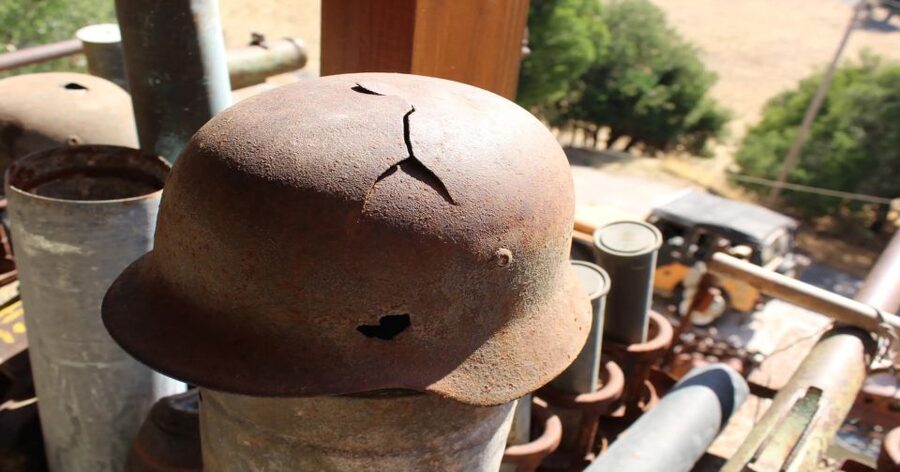
After the German cemetery, the tour shifts to the Allied story, including Commonwealth nations such as Australia, New Zealand, and Great Britain. You’ll visit the British Commonwealth Allied Cemetery at Souda Bay and learn some of its background, with bay views that make the moment feel even more distant from the violence that caused it.
The guide also brings in the phrase Lest We Forget as a recurring idea tied to the overlook. It’s not a heavy lecture all day, but this stop makes sure the tone stays respectful and human.
If you want a balanced WWII experience—Axis sites plus Allied loss—this cemetery pairing is one of the strongest reasons to book this specific tour rather than a generic “major sites” itinerary.
Tavronitis Bridge, Galatas, and Prison Valley: the battle’s movement, not just one point
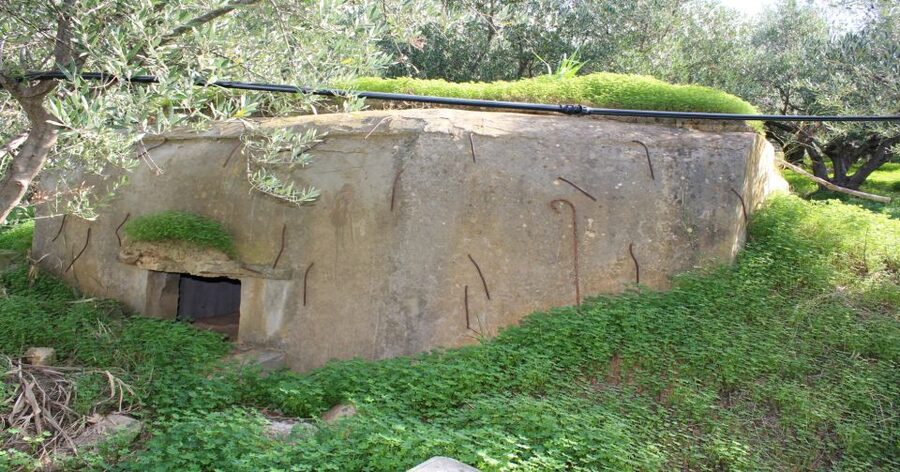
The tour’s battlefield coverage isn’t limited to hills and cemeteries. You’ll also make stops that help show how the fighting and occupation pressures moved through different locations.
In the route, you can expect stops tied to:
- Tavronitis Bridge (including battle-related signs)
- Galatas
- Prison / Prison Valley areas
These are the kinds of locations that help you see the battle as a chain of events rather than a single “big moment.” One review even noted the guide’s ability to describe naval engagements and place the Crete campaign within the broader strategic picture of the war, including the effect of the impending Operation Barbarossa.
For you, this matters because it turns the day into a coherent story. Instead of “I saw a bridge, then a hill,” you start connecting routes, threats, and outcomes.

Abandoned German bunker visits: the most daring part of the day
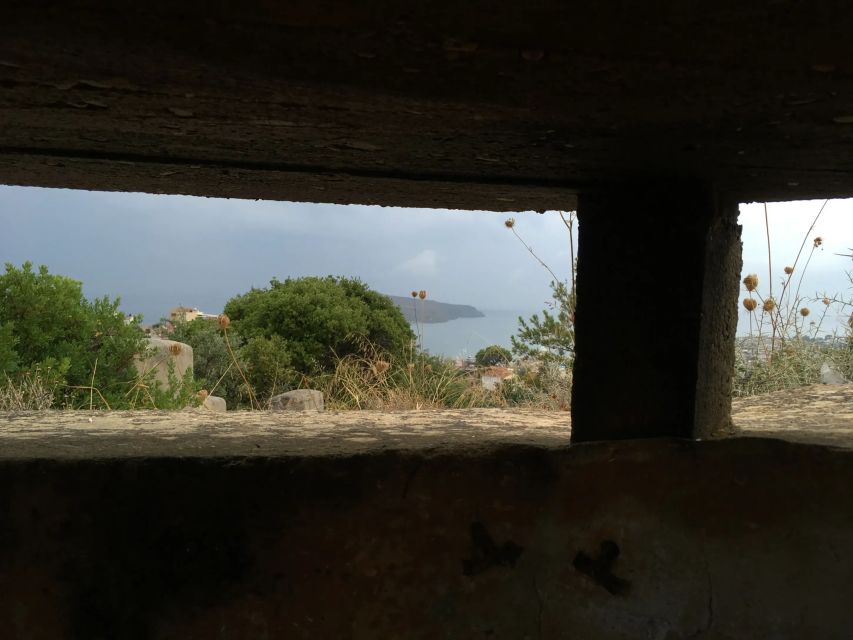
One of the headline attractions here is visiting a daring German bunker—abandoned, and described as unknown to many. You’ll also visit other abandoned German lockouts in undisclosed locations, which keeps the focus on the experience rather than on crowds and quick photo lines.
What I like about this segment is the combination of access and interpretation. Bunkers can turn into spooky-but-surface-level stops. Here, the guide ties what you’re seeing to how wartime routine worked and what kind of equipment, regimes, and ammunition were used by both Axis and Allies during WWII.
Important practical note: an “abandoned” bunker means you should keep expectations realistic. You’re not going to get a modern museum experience underground. Bring sturdy shoes and be ready for the realities of rough outdoor WWII spaces.
Private museum and WW2 war shelter: rare finds you can actually see
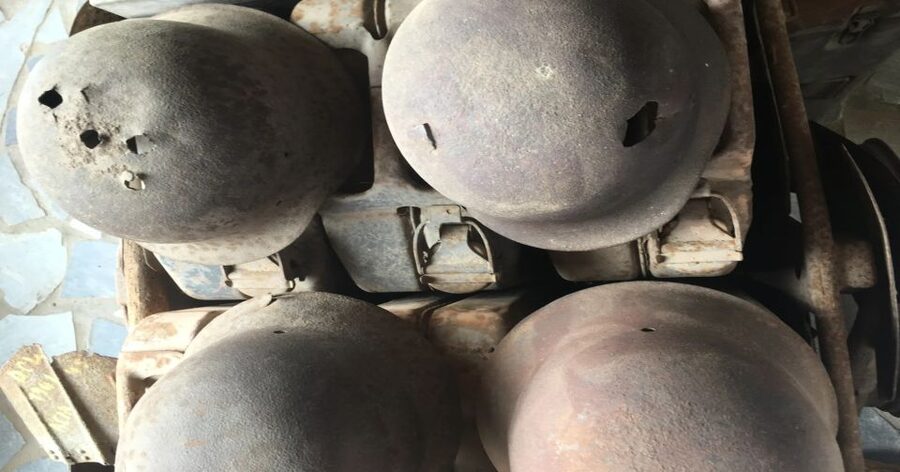
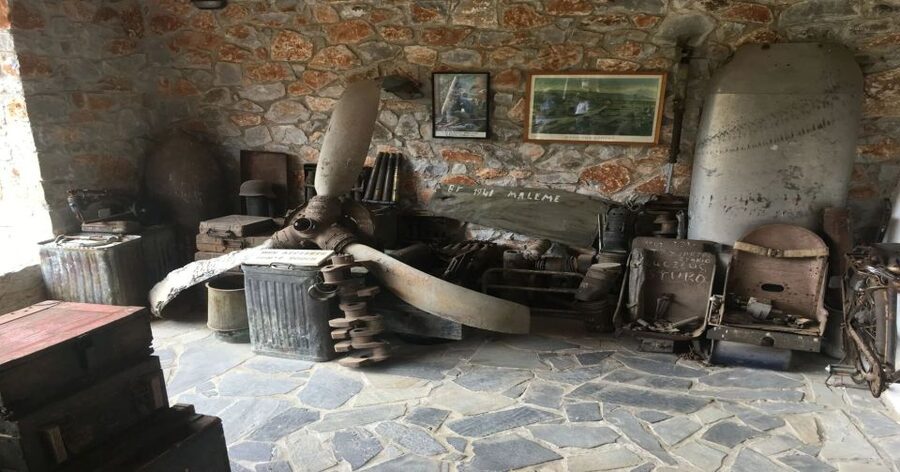
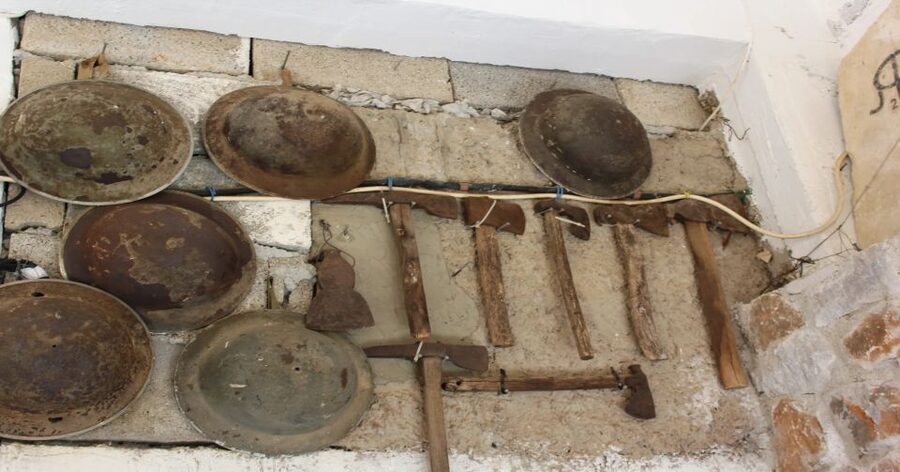
Alongside battlefield sites, the tour includes a visit to a private museum/collection and a WW2 war shelter with memorabilia and rare war finds. This part of the day is where details stop being theoretical and start turning into objects, photos, and referenced material.
The guide uses rare archive photos found through time-intensive research, and that helps you match what you see on the ground to what happened there. One review highlighted good use of reference materials and before/after photo context, which is exactly what you want when you’re trying to understand how a battlefield changes—or disappears—over time.
There’s also evidence of smart flexibility. In one case, a museum stop was closed, but the guide arranged access because he knew the keyholder. That’s not something you should assume will happen every day, but it does signal how the day is handled: with effort and local knowledge, not just a scripted drive-by.
The day’s flow: how the 7 hours are paced
This is a 7-hour private tour. The pace is designed to fit a lot of locations without turning it into a sprint. You’ll have hotel pickup from Chania central areas and you’ll return back to Chania after the loop.
One thing I appreciate is the inclusion of a coffee/lunch break—described as riverside with overgrown vegetation—built in so you can reset your brain. WW2 sites can rack up emotional weight, even when you’re mainly interested in history, so a scheduled pause is a practical gift.
Transportation-wise, at least some days run in a comfortable, air-conditioned vehicle, which matters a lot in Greece when you’re out for hours.
Value: is $182 per person worth it?
At $182 per person for a 7-hour private tour, you’re paying for three things you don’t always get together:
- A certified professional historian/archaeologist focus on contemporary history
- Private-group access to bunkers, cemeteries, and a private museum/shelter, not just public viewpoints
- Hotel pickup/drop-off plus a guide who uses rare archive photos and can tailor the day when timing allows
If you compare this to a basic group tour that mostly points and moves, the value shifts. You’re spending more, but you’re also getting deeper interpretation and access to the kind of “off the main drag” sites that are hard to arrange on your own.
The best way to judge value for yourself: if you care about WWII detail—who was where, how the battle unfolded, and how it connects across multiple locations—this price starts making sense fast.
Who should book this tour in Chania
This tour is a strong fit if you:
- Want WW2 military history grounded in terrain, not only reading material
- Like guides who use archive photos and reference material to connect stops
- Prefer a private-group pace over a rushed group bus experience
- Have a real interest in the Battle of Crete’s first days and its aftermath on the island
It may be less ideal if you want purely scenic stops or a light, casual outing. This day has a serious topic, cemetery visits included.
Should you book this Chania Battle of Crete tour?
I’d book it if you want a day that treats WWII sites with respect and explains what you’re seeing using credible, research-driven storytelling. The mix of Maleme + Hill 107, cemetery remembrance at both German and Commonwealth sites, plus the abandoned bunker and private WW2 museum/shelter gives you variety that feels earned, not random.
Skip it only if you know you don’t want a rain-or-shine, full-day plan, or if you’re expecting food included and light pacing. If that sounds like you, consider a shorter sightseeing option instead.
FAQ
How long is the Chania Battle of Crete private tour?
It lasts 7 hours.
Where does pickup happen?
Pickup is included from all Chania central areas, and the pickup point is in Chania.
What places do you visit during the tour?
You’ll visit key Battle of Crete locations around Chania, including Maleme (airport area), Hill 107, German War Cemetery, Commonwealth Allied Cemetery at Souda Bay, and additional stops that include abandoned German bunker/lockouts and a private WW2 museum/collection.
Are there war cemeteries included?
Yes. The tour includes visits to two war cemeteries: the German War Cemetery and the British Commonwealth Allied Cemetery.
Is the tour private or shared?
It’s a private group tour.
What languages is the tour offered in?
The live tour guide speaks English and Greek.
Is food included in the price?
No. Food & drinks are not included, though there is a coffee/lunch break during the day.
Will the tour run in bad weather?
Yes, it runs rain or shine.
What should I bring?
Bring comfortable shoes and comfortable clothes.
Is there free cancellation?
Free cancellation is available up to 24 hours in advance for a full refund.
More Private Chania Tours
- Wine & Olive Oil Tour with Lunch – Semi Private Safari Tour★ 5.0 · 156 reviews
- Private Boat Trip Kissamos Balos (price per group – up to 10 people)★ 5.0 · 143 reviews
- PRIVATE Walking Tour with Lunch and Wine Tasting by a Sommelier★ 5.0 · 113 reviews
- Full-Day Private Custom Tour to Elafonisi the Pink Sand Beach★ 5.0 · 103 reviews
- Chania old town and around private tour (price per group of 6)★ 5.0 · 85 reviews
More Tour Reviews in Chania
- From Kissamos Port: Boat Cruise to Balos Lagoon & Gramvousa★ 4.2 · 6,755 reviews
- From Chania: Full-Day Samaria Gorge Trek Excursion & Guide★ 4.6 · 3,191 reviews
- Cretan Safari – 4×4 Adventure to Preveli Beach with Lunch★ 5.0 · 780 reviews
- Elafonissi Beach Day Trip from Chania -Stop in Elos Village★ 4.5 · 744 reviews
- From Chania: Samaria Gorge with Professional Hiking Guide★ 4.6 · 720 reviews
Not sorted yet? Keep browsing things to do around Chania

Private, compared.
 ★ 5.0Wine & Olive Oil Tour with Lunch – Semi Private Safari TourFrom $181156 reviews
 ★ 5.0Private Boat Trip Kissamos Balos (price per group – up to 10 people)From $701143 reviews
 ★ 5.0PRIVATE Walking Tour with Lunch and Wine Tasting by a SommelierFrom $193113 reviews
 ★ 5.0Full-Day Private Custom Tour to Elafonisi the Pink Sand BeachFrom $441103 reviews
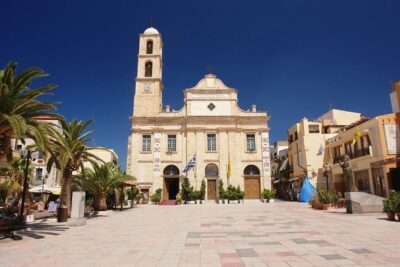 ★ 5.0Chania old town and around private tour (price per group of 6)From $56785 reviews
 ★ 5.0All Inclusive Full-day Private Tour of Crete Villages from ChaniaFrom $16878 reviews
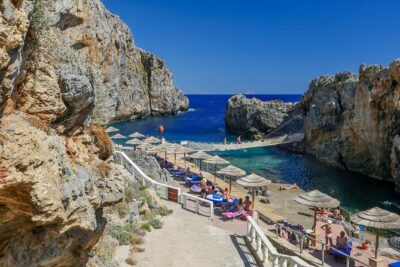 ★ 5.0From Chania private trip to Spili-Kourtaliotiko-Kalypso beachFrom $54375 reviews
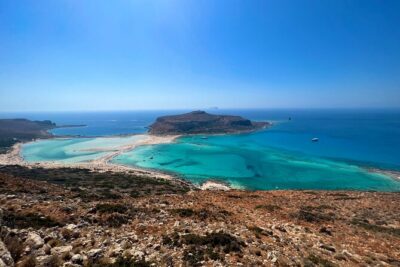 ★ 5.0Full-Day Private Tour to Balos Lagoon and FalassarnaFrom $44170 reviews