
Reviewed · CHANIA OLD TOWN & VENETIAN HARBOUR WALKS
Chania Monasteries Private Tour: A Greek Orthodoxy Tribute
Religion has a map here. This private Chania tour is a focused Orthodox journey through monastery life, hidden chapels, and rare sacred spaces—plus big sea views from places most people never reach. You’ll spend 7.5 hours moving through quiet stone, learning what rituals mean, and tying it all to Cretan life.
I especially like the combination of private time with a history-byzantine archaeology specialist and the real-feeling access to places that don’t show up on the usual postcard circuits. I also love the rare stops—like an underground church devoted to St. Spyridon and a church complex reaching back to the Proto Byzantine era.
One drawback to plan for: this tour takes religion and proper church etiquette seriously. You’ll need the right clothing for monasteries, and entrance fees aren’t included, so you’ll want to budget a bit extra once you get there.
In This Review
- Key highlights worth centering your plans on
- Why this Chania monastery day feels different from the usual tour
- Meet your historian guide and why it changes what you see
- First sacred stop: the Byzantine-era ruins and how liturgy shows up in the stones
- Turning from Orthodoxy to the wider ancient world: Olympus and farming life
- The monastery dating back to around 1600: altar focus, rituals, and why it matters
- The underground twist: St. Spyridon and the feeling of finding a hidden church
- Olive oil mill visit: where church wealth meets everyday survival
- Talking to the monastery superior and the calm pace of a real village break
- Akrotiri monasteries: tiny mountain roads, active duties, and Mount Athos links
- The final chapter: abandoned monastery complexes and a white-washed Virgin Mary chapel
- Price and value: is $176 per person fair for a private 7.5-hour historian circuit?
- Comfort, logistics, and what you should pack for monastery days
- Who this tour is best for (and who should skip it)
- Should you book the Chania Monasteries Private Tour?
- FAQ
- How long is the Chania Monasteries Private Tour?
- Where does pickup happen, and is it included?
- Is this tour private?
- Are entrance fees included?
- Is the tour wheelchair accessible?
- What should I wear for monastery visits?
Key highlights worth centering your plans on
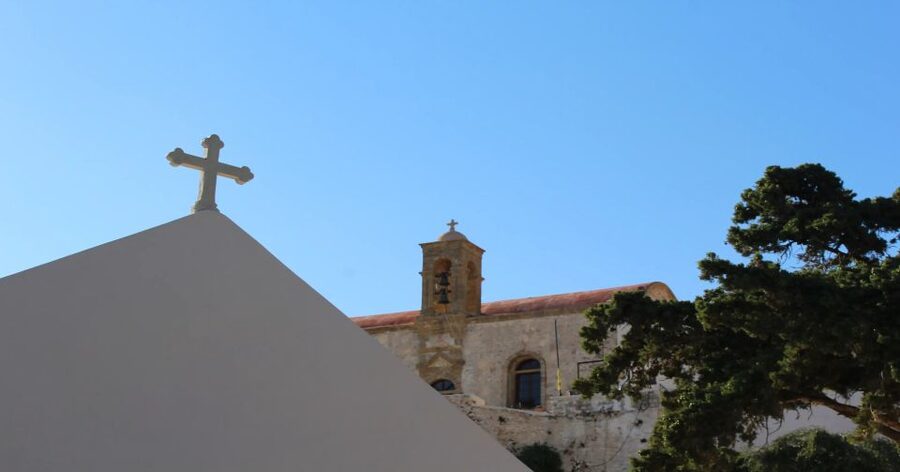
- Underground St. Spyridon church: a rare Greek Orthodox stop that feels like a time capsule.
- Byzantine-era ruins and Proto Byzantine church remains: you learn what you’re looking at, not just where to take photos.
- Akrotiri monasteries with real monastic routines: you can see monks doing daily work in active monasteries.
- Mount Athos connections: you’ll hear why Cretan monastic traditions relate to the Athonite world.
- Olive mill + church influence: you connect Orthodox wealth, donations, and farming survival in plain terms.
- A final Virgin Mary chapel with top-end Aegean views: the day finishes high and photogenic.
Why this Chania monastery day feels different from the usual tour
Most Chania tours give you a sweep: old town, a viewpoint, maybe a church. This one is narrower and deeper on purpose. You’re not just passing by religious sites—you’re seeing how Orthodox tradition shaped daily life in Crete.
The pacing also matters. It’s private, with a modern A/C vehicle and flexible stops, so the day doesn’t feel like a rushed checklist. Expect drives through rural pockets and then time on foot where the guide can explain what’s carved, painted, or worn smooth by centuries.
This is a great fit if you like your travel with context. Stone, rituals, and monastic routines make more sense when someone connects them to what people believed and practiced.
Rather stay in town? More Chania old-town and harbour walks
- Chania old town and around private tour (price per group of 6)
★ 5.0 · 85 reviews - Chania: Old City & Venetian Harbor Discovery on Segways
★ 4.5 · 56 reviews - Sea Kayak Tour of Chania’s Old Venetian Port
★ 5.0 · 37 reviews - Chania old town, mountains, restaurant Private Tour (group of 6)
★ 5.0 · 20 reviews - Shore Explore Chania: City Charm, Beach, Monastery & Winetasting
★ 5.0 · 13 reviews
Meet your historian guide and why it changes what you see
Your guide is a professional historian with a background in Byzantine archaeology, and the tour runs with a certified guide approved by the Greek Ministry of Tourism. You’ll also have a trilingual setup (EN/DE/GR), which helps when you want clarification fast instead of nodding along.
This is the difference-maker for me. When you walk into a church ruin or a monastery space, the details can look similar at first glance. A guide who can explain the altar’s significance, how divine liturgy was carried out, and why certain traditions mattered turns the visit into something you can actually remember.
If your guide is Apostolis, you’re in good hands based on prior experience: he’s described as patient, funny in a natural way, and good at tailoring detours to your interests. You’re not stuck with a rigid script.
First sacred stop: the Byzantine-era ruins and how liturgy shows up in the stones
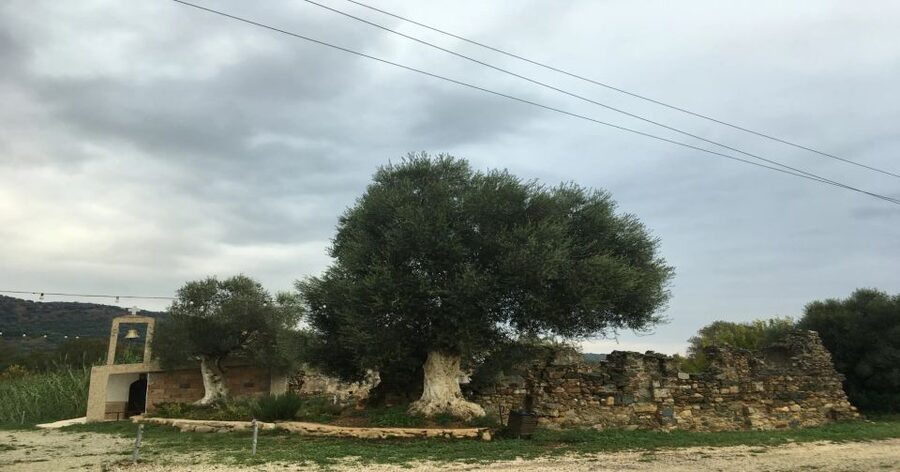
The day starts with pickup from central Chania, then you head out by van and settle in for guided visits. One early highlight is an abandoned unknown church complex from the Byzantine era, where you can wander among the remains.
This stop is about learning to read a site. You’ll hear about ancient Orthodox doctrines and how divine liturgy was carried out. That matters because even if the walls are incomplete, the layout and the sacred purpose still guide how you imagine the space used to function.
It also sets the tone: you’re not arriving at monasteries expecting them to feel like museums. You’re learning how belief becomes architecture, ritual, and community rhythms.
Turning from Orthodoxy to the wider ancient world: Olympus and farming life
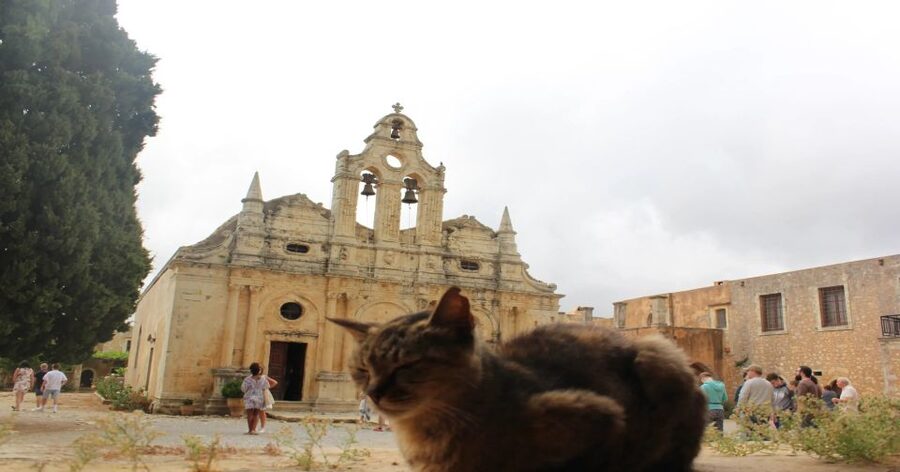
After the early Christian sites, the tour shifts east through the Chania regional unit. Here you get an unusual bridge: the 12 Gods of Mount Olympus and how they connected—especially in farming life—to people’s ideas about prosperity.
That might sound like a detour, but it’s a smart way to understand Crete’s layers. Greeks didn’t stop having beliefs just because Christianity spread. Instead, everyday life kept its questions about growth, survival, and fortune, while faith frameworks changed.
If you enjoy cultural context, this part makes the later Orthodox emphasis feel less random. You start seeing religion as something that met real needs, not just doctrine in theory.
The monastery dating back to around 1600: altar focus, rituals, and why it matters
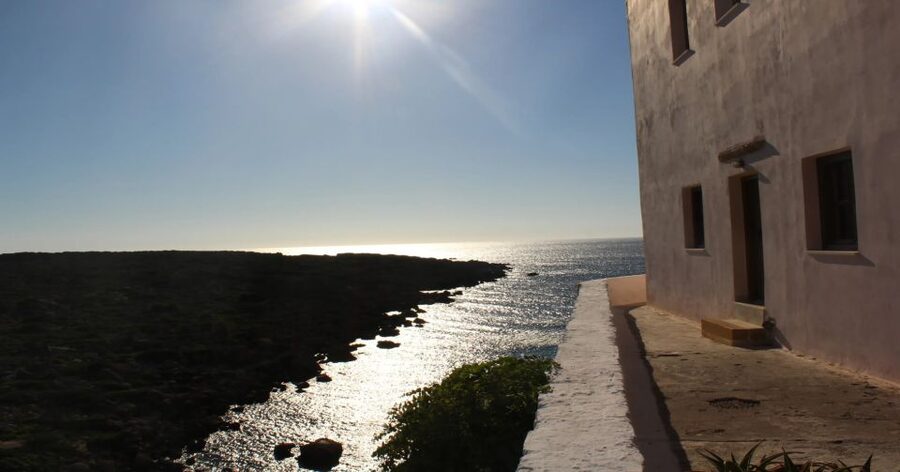
One of the main stops is a monastery dating to around 1600. Here you’ll spend time admiring Byzantine archaeology details and hearing about the connection to the Byzantine Empire.
What I like in this kind of visit is the guide’s focus on what you might otherwise miss. You’ll get a clear explanation of the altar’s significance and the rituals and celebrations inside Cretan monasteries. That turns small details—where you stand, what the space suggests—into something meaningful.
You’ll also see how the monastery world was supported over time, including stories about donations and the monastery’s role inside village life. It’s not just spiritual; it’s practical.
More private Chania tours to make your own
The underground twist: St. Spyridon and the feeling of finding a hidden church
A standout highlight is the visit to an old underground church devoted to St. Spyridon. This is the kind of stop that makes the whole day feel slightly cinematic: cool stone, quiet air, and a sense that the sacred existed below the surface.
Underground churches often carry a special atmosphere even when you can’t fully explain the symbolism. The value here is that your guide gives the background so you’re not left guessing. You learn why the space mattered and how it fits into the Orthodox tradition being celebrated.
This is also a good place for slower looking. Take a moment to notice the shape of the space and how the guide points out features you’d otherwise walk past.
Olive oil mill visit: where church wealth meets everyday survival
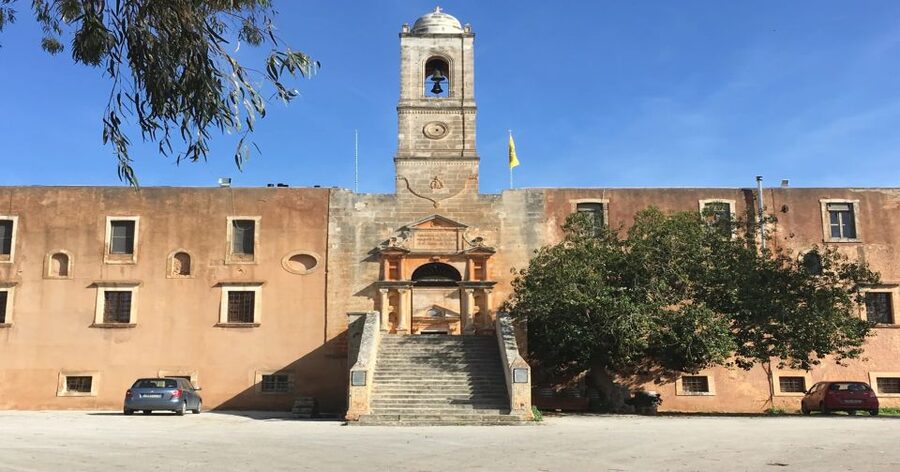
Another important stop is a nearby abandoned olive mill, tied to the church’s history and its resources. You’ll get a guided walkthrough of how olive oil production works and why it was so essential in the countryside.
Then the explanation connects it to the Orthodox Church’s assets and how that long tradition supported poorer people. In other words, you’re not just hearing a devotional story. You’re learning how institutions could function like economic lifelines in hard rural seasons.
I find this balances the day. It gives you a grounded lens on why monasteries had influence beyond prayer halls.
Talking to the monastery superior and the calm pace of a real village break
At one monastery, you’ll have a talk with the superior. That’s the closest thing you get to seeing monastic life from the inside, even if your interaction is brief.
A coffee break in a traditional Cretan village then resets the energy. It also gives your guide time to address questions that pop up during the day—so your curiosity doesn’t get shoved into the last 10 minutes.
This part feels small, but it’s a big value add. It makes the tour more conversational and less like a lecture.
Akrotiri monasteries: tiny mountain roads, active duties, and Mount Athos links
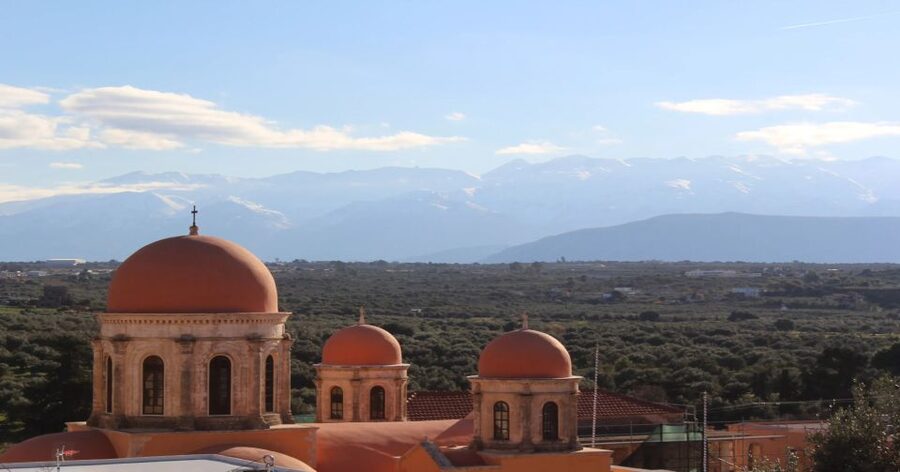
The tour then heads toward Akrotiri, a mountainous area in the northeast of Chania known for monasteries and monastic tradition. This is where the day becomes more rugged and more remote-feeling.
You’ll visit two desolate, active monasteries that are described as beautiful and impeccable. The approach matters: you’ll pass through tiny mountain passages, then see the scale of cultivated lands tied to monasteries and the relics connected with Orthodox tradition.
One of the best parts is seeing monks in active duties. That helps you understand the hardships of daily life as a monk—because it stops being an idea and turns into routines you can observe.
You’ll also learn about monastic traditions linked to Mount Athos. That connection helps explain why monastic practices can feel shared across regions, even when the buildings and islands differ.
The final chapter: abandoned monastery complexes and a white-washed Virgin Mary chapel
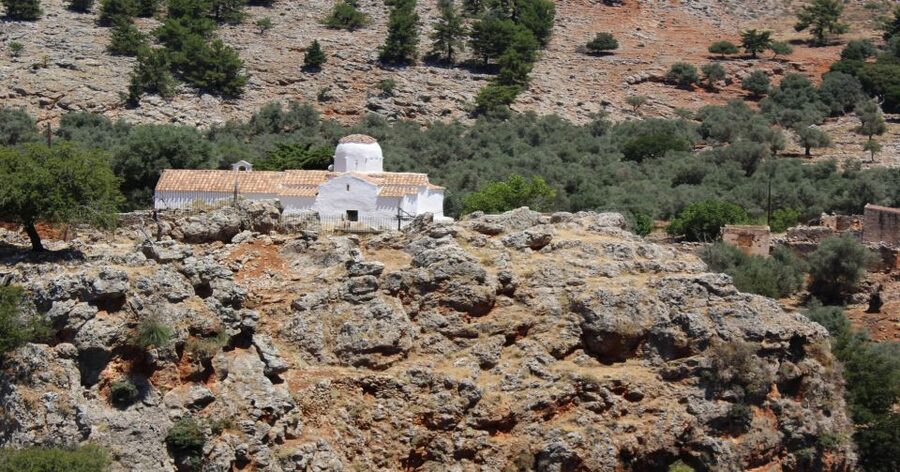
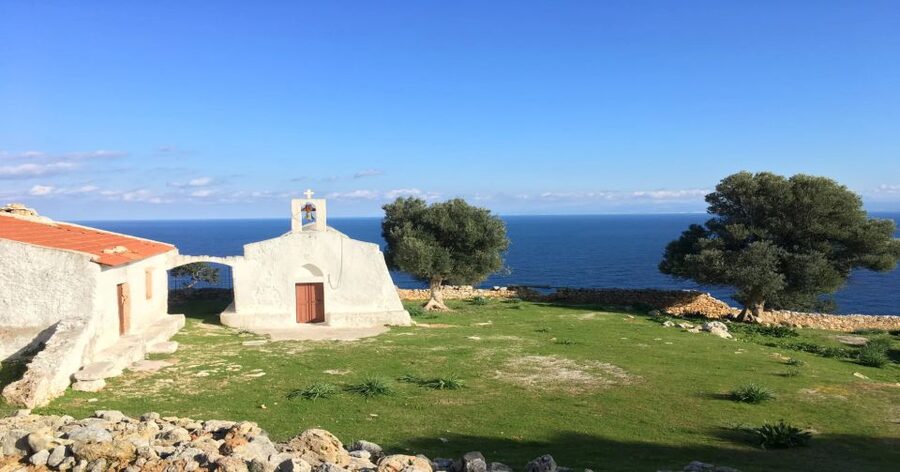
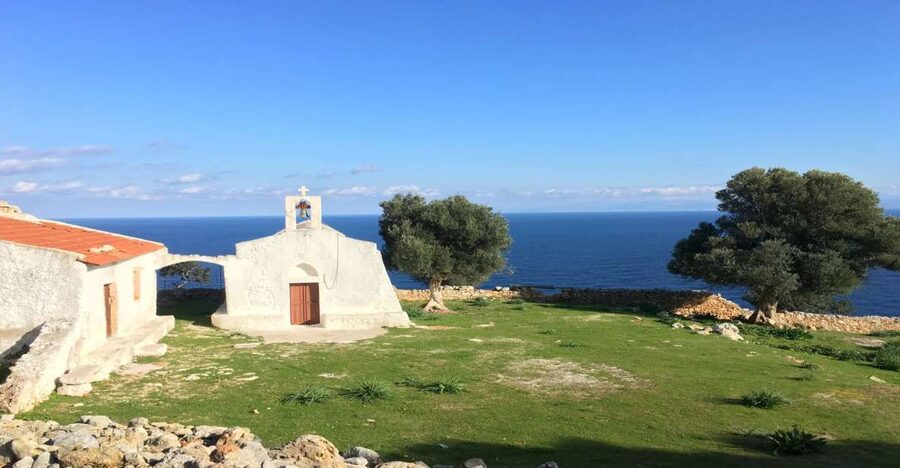
To close, you’ll visit an abandoned monastery complex in an undisclosed location, followed by a white-washed chapel devoted to the Virgin Mary. This is the part of the day where views take over.
You’ll get breathtaking views over the Aegean Sea and have time to pay respects and take photos as a souvenir of the Holy Tradition and the monasteries around Chania.
This finish works because it combines meaning with beauty. After hours of doctrine, altar symbolism, and monastic routines, the sea-facing chapel gives your brain a place to land.
Price and value: is $176 per person fair for a private 7.5-hour historian circuit?
At $176 per person for 7.5 hours, you’re paying for a private guide, private transport, and specialized expertise. This isn’t a quick bus tour. It includes a modern A/C vehicle, hotel pickup and drop-off from central Chania areas, and a boxed lunch pack with water plus fruit and chocolate.
It also includes meaningful access: an underground church stop, abandoned Byzantine-era remains, monastic visits, and time with a monastery superior. Those aren’t typical add-ons you get with cheaper group tours.
The parts that can change your final cost are the details you should plan for: entrance fees aren’t included, and lunch or drinks at stops aren’t included either (you’ll still get a box lunch, so you’re not going hungry). If you’re trying to fully budget in advance, build in a small cushion for entrances.
Overall, I think it’s good value if you care about Orthodox tradition, Byzantine-era context, and seeing more than just the most famous church facades.
Comfort, logistics, and what you should pack for monastery days
You’ll be in a vehicle often enough to stay comfortable, but the visits do involve walking around ruins and monastery areas. Bring comfortable shoes, and plan for some uneven ground since you’ll be in abandoned or rural spaces.
Clothing matters more than people expect. All visitors must wear proper clothes for monasteries. That means you should plan to cover up appropriately and avoid shorts or anything too casual. When in doubt, bring a light layer you can adjust on the spot.
Weather matters too. The tour lasts 7.5 hours, so dress for the day’s conditions. You’ll also want a quick sunscreen strategy for outdoor viewpoints, especially around the Akrotiri area.
One more practical note: the tour includes wheelchair accessibility. That said, monasteries and historic sites can still have tricky paths, so it’s smart to ask how they manage movement between locations ahead of time.
Who this tour is best for (and who should skip it)
This tour is ideal if you:
- want Christian Orthodox tradition explained by a specialist in Byzantine archaeology
- enjoy monasteries, ruins, and historic sacred spaces more than beach time
- like rural drives with detours that match your interests
- prefer private pacing and time to ask questions
I’d think twice if you’re mainly after a relaxed, scenic day with minimal religious context. This tour is built around churches, monasteries, and sacred rituals, so you’ll get the most satisfaction when that’s exactly what you’re craving.
Should you book the Chania Monasteries Private Tour?
Book it if you want a day that feels like a guided education, not just a sightseeing route. The combination of private historian-led storytelling, rare stops like the underground St. Spyridon church, and active monastery visits makes it genuinely different from standard tours.
Skip it if you hate church rules, don’t want to plan clothing for monasteries, or you’re looking for a purely casual day where every stop is built for easy photos and minimal meaning.
If you’re the type who likes learning why people did what they did—why altars matter, why liturgy shaped space, why monasteries influenced countryside survival—this is a strong match for your Crete trip.
FAQ
How long is the Chania Monasteries Private Tour?
The tour duration is 7.5 hours.
Where does pickup happen, and is it included?
You get free hotel pickup and drop-off from all central Chania areas. You should wait in the hotel lobby about 10 minutes before your scheduled pickup time.
Is this tour private?
Yes, it’s a private group.
Are entrance fees included?
No. Entrance fees are not included.
Is the tour wheelchair accessible?
Yes, the tour is listed as wheelchair accessible.
What should I wear for monastery visits?
You need proper clothing for entering monasteries. Athletic clothing and comfortable shoes are advised.
More Private Chania Tours
- Wine & Olive Oil Tour with Lunch – Semi Private Safari Tour★ 5.0 · 156 reviews
- Private Boat Trip Kissamos Balos (price per group – up to 10 people)★ 5.0 · 143 reviews
- PRIVATE Walking Tour with Lunch and Wine Tasting by a Sommelier★ 5.0 · 113 reviews
- Full-Day Private Custom Tour to Elafonisi the Pink Sand Beach★ 5.0 · 103 reviews
- Chania old town and around private tour (price per group of 6)★ 5.0 · 85 reviews
More Tour Reviews in Chania
- From Kissamos Port: Boat Cruise to Balos Lagoon & Gramvousa★ 4.2 · 6,755 reviews
- From Chania: Full-Day Samaria Gorge Trek Excursion & Guide★ 4.6 · 3,191 reviews
- Cretan Safari – 4×4 Adventure to Preveli Beach with Lunch★ 5.0 · 780 reviews
- Elafonissi Beach Day Trip from Chania -Stop in Elos Village★ 4.5 · 744 reviews
- From Chania: Samaria Gorge with Professional Hiking Guide★ 4.6 · 720 reviews
Chania on Foot: More Harbour Walks
- Chania old town and around private tour (price per group of 6)★ 5.0 · 85 reviews
- Chania: Old City & Venetian Harbor Discovery on Segways★ 4.5 · 56 reviews
- Sea Kayak Tour of Chania’s Old Venetian Port★ 5.0 · 37 reviews
- Chania old town, mountains, restaurant Private Tour (group of 6)★ 5.0 · 20 reviews
- Shore Explore Chania: City Charm, Beach, Monastery & Winetasting★ 5.0 · 13 reviews
Not sorted yet? Keep browsing things to do around Chania



Chania Old Town & Venetian Harbour Walks, compared.
 ★ 5.0Chania old town and around private tour (price per group of 6)From $56785 reviews
 ★ 4.5Old City & Venetian Harbor Discovery on SegwaysFrom $7456 reviews
 ★ 5.0Sea Kayak Tour of Chania’s Old Venetian PortFrom $11337 reviews
 ★ 5.0Chania old town, mountains, restaurant Private Tour (group of 6)From $68420 reviews
 ★ 5.0Shore Explore Chania: City Charm, Beach, Monastery & WinetastingFrom $76913 reviews
 ★ 4.5Rethymno: Arkadi Monastery, Margarites Village & Melidoni Cave.From $1,04412 reviews
 ★ 4.9Chania Old Town: Artisans & Sightseeing Walking TourFrom $11711 reviews
 ★ 4.5Chania Old Town, Public Market and Chrisopigi Monastery TourFrom $7146 reviews
Browse the lists this tour appears in