
Reviewed · CHANIA WINE & OLIVE-OIL TASTINGS
Cheese and Wine Tasting Tour From Chania
Old olives and fresh wine—what a Crete combo. This Chania cheese and wine tasting tour strings together real local production stops, from Vouves’ famous tree to a family winery tasting with Cretan food. You’ll also get hands-on lessons about how Cretans make everyday staples like bread, olives, and honey, not just a quick sample and a photo stop.
I love how the day is built around food culture, not theory. You’ll visit a local bakery for traditional savouries and bread, then head to an olive grove and honey-focused stop where you learn what’s behind the flavors. I also like that the guide keeps the pacing friendly and informative, with one highlight being Linda, who brought the facts and even switched languages for the group.
One thing to plan for: the morning starts early and you’re on the road between stops, plus you’ll want cash for the bakery if you want to buy anything there.
In This Review
- Key highlights worth waking up for
- Early pickup and a full 7-hour day in Chania
- Vouves’ oldest olive tree: free entry, big-time perspective
- Perivolakia: bread, rusks, olives, and honey with real production context
- Pnevmatikakis Winery: family tasting with Cretan food pairings
- What you’re really buying with this tour (value, not just wine)
- The guide and the pacing: how the day stays fun
- Money tips: when cards work and when cash helps
- Who should book this tour, and who might skip it
- Before you go: what to pack and how to plan your day
- Should you book the Cheese and Wine Tasting Tour from Chania?
- FAQ
- How long is the Cheese and Wine Tasting Tour from Chania?
- What time does the tour start?
- Is pickup offered from Chania hotels?
- What languages are offered on the tour?
- How many stops are included?
- Is admission included for the early stops?
- Is wine tasting included at the winery?
- Do I need cash during the day?
- What’s the maximum group size?
- What happens if the weather is bad?
- Can I cancel for a full refund?
Key highlights worth waking up for
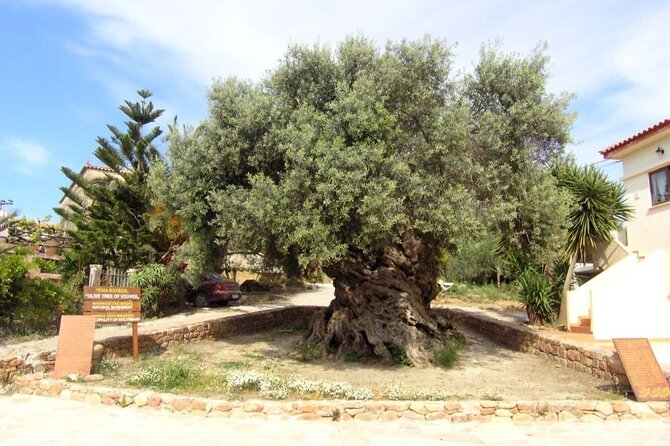
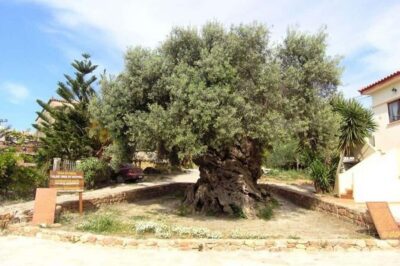
- Vouves’ ancient olive tree (free entry), estimated at 3,000–5,000 years and still fruiting
- Cretan bakery stop with a close look at how rusks and bread get made
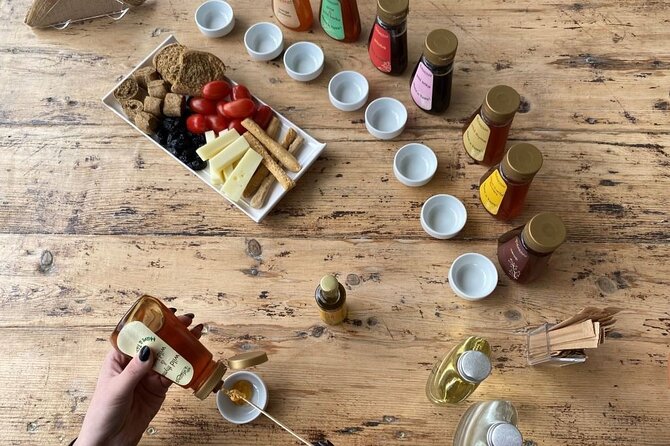
- Olive grove and honey learning, including how Cretan honey is made
- Family-run Pnevmatikakis Winery tasting with locally made wines and included admission
- Flexible wine options during the tasting (one group counted 18 self-service pours)
- Small-group feel with a max of 50 people, plus time to socialize at the end in some schedules
Early pickup and a full 7-hour day in Chania
This tour starts at 8:00 am, with pickup offered from your hotel or a close meeting point. You get the details in your email the day before, so don’t ignore that inbox—this one starts early enough that you’ll want to be ready.
The whole experience runs about 7 hours. The on-paper stops feel “short” at each location, but the in-between time is part of the deal. Crete isn’t built in a straight line, so the value here is that you’re not trying to stitch together multiple drives and tickets on your own.
Also, the bus ride matters more than you’d think. One account noted the ride was comfortable and air-conditioned, which helps because you’re going to sit through a good chunk of the day. If you’re the type who gets hangry early, eat a solid breakfast before you go. The first stop can’t happen instantly, and the day is food-heavy but not at the very start.
Thirsty work, more Chania wine and olive-oil tastings
- Wine & Olive Oil Tour with Lunch at Milia Mountain Retreat
★ 5.0 · 194 reviews - Wine & Olive Oil Tour with Lunch – Semi Private Safari Tour
★ 5.0 · 156 reviews - PRIVATE Walking Tour with Lunch and Wine Tasting by a Sommelier
★ 5.0 · 113 reviews - Chania: Milia Mountain Tour w/Lunch Olive Oil/Wine Tastings
★ 4.9 · 97 reviews - Chania: Wine, Food, and Sunset Tour with 3-Course Dinner
★ 4.9 · 77 reviews
Vouves’ oldest olive tree: free entry, big-time perspective
The first stop is in Vouves at Ano Vouves, where you can see the oldest recorded olive tree in the world, listed as a natural monument. The exact age can’t be proven with 100% certainty, but estimates range from 3,000 to 5,000 years, and the tree is still alive and still producing.
Here’s what this stop is really good for: it gives context. When you later learn about Cretan olives, honey, olive oil, and the way families pass down production skills, you can feel how old the relationship goes. It’s not just tasting; it’s the backdrop for why these foods matter.
This is also the easiest win on the schedule. The entry is free, and the time allocated is about 30 minutes. You’ll have enough time to take in the scale, ask questions if the guide has them ready, and move on without feeling rushed.
Practical note: the tree is the focus, but don’t assume shade will be perfect everywhere. If you’re visiting in warmer months, bring sun protection and sip water when you can.
Perivolakia: bread, rusks, olives, and honey with real production context
Next is the Perivolakia stop, built around Cretan food culture and how daily life creates the pantry you taste later. This is where the tour shifts from “where things come from” to “how people make them.”
You’ll get several parts here (and they connect well):
1) A local bakery visit
You’ll see how traditional savouries like rusks and bread are made. This isn’t a fancy tasting room; it’s a working feel, and it’s often where you’ll want to buy something. One key tip from multiple experiences: bring cash for the bakery. Cards may work elsewhere on the tour, but the bakery is the place that can catch you off guard.
2) An olive grove visit
You’ll examine the olive trees and learn about Cretan practices. Even if you’ve never thought about olives beyond salad, this is a useful step because it connects what you see on the ground to the olive products later in the day.
3) Honey learning
The schedule includes learning how Cretan honey is made. That might sound like a short lesson, but honey tastes different when you understand how it’s produced, and you’ll have a better sense of why Crete’s honey has its own reputation.
Time here is about 1 hour 45 minutes with free admission included in the stop time. This length is what makes the meal-and-learning pairing work. You’re not just walking through; you’re getting enough time to connect the dots between bread, olives, and honey.
Pnevmatikakis Winery: family tasting with Cretan food pairings
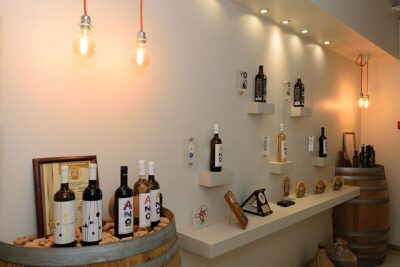
The final major stop is Pnevmatikakis Winery in Kissamos. It’s described as family-run with many years of experience in Cretan winemaking, and the payoff is a tasting that feels tied to people, not just a marketing script.
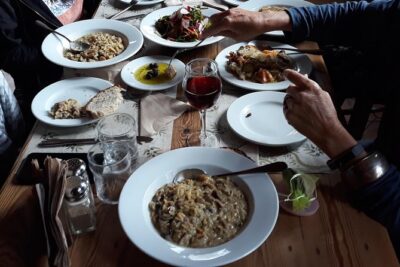
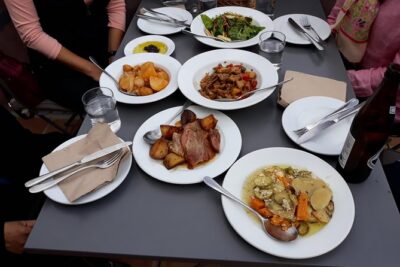
The itinerary includes wine tasting plus local delicacies that accompany the wines. Admission for this part is included, and the tasting includes many locally made varieties.
One of the most specific details from a tasting experience: the wine tasting setup can include self-service pours, and one group counted 18 self-service wines. That’s not about quantity for its own sake. It’s about letting you compare styles quickly so you can decide what you actually like—especially if you’re someone who usually just orders red or white and moves on.
A favorite noted in the experiences is rose wine, so if you tend to like lighter, aromatic options, keep an eye out for it during the tasting. If you prefer something more classic, you’ll likely find enough variety across reds and whites to steer yourself.
Two family-friendly details are also built in. The winery is open for families, and kids get a special platter and drinks. That’s a meaningful detail if you’re traveling with younger kids and want the day to feel inclusive rather than “adult-only with boring substitutes.”
What you’re really buying with this tour (value, not just wine)
At about $42 per person for roughly 7 hours, you’re paying for more than a tasting flight. Your value comes from the mix:
- You get several food-related production stops (bakery, olive/honey learning, and winery).
- Two of the stops include free admission (Vouves and Perivolakia).
- The winery tasting includes admission and is paired with local delicacies.
Even if you’re not planning to buy much, the day gives you structure. Instead of chasing multiple locations on your own, you get one route, one schedule, and a guide who explains why each product matters in Cretan daily life.
And this is where the small-group size (max 50) helps. It’s big enough to feel like an organized tour, but small enough that you’re less likely to get lost in a crowd at each stop. That matters at places where you’ll want to hear the explanation and not just follow everyone’s backs.
More Chania food and drink to dig into
The guide and the pacing: how the day stays fun
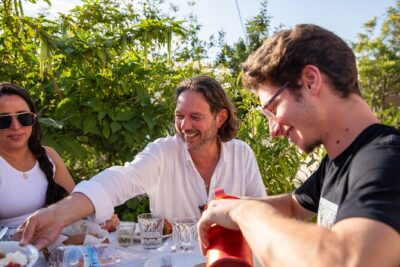
The experience relies on the guide doing two jobs: sharing facts and keeping the day smooth. One named example is Linda, who was described as friendly and dynamic, and who could provide information in multiple languages, including Greek, French, and West-Flemish (Dutch dialect).
That kind of language flexibility isn’t a small detail. It usually means the guide can explain clearly and adapt when the group includes different nationalities. It also makes the day feel less like a rushed checklist.
Pacing is also important. You’re moving from an ancient monument to food production to a winery tasting. If you hate long seated drives, you may feel the travel time. But if you like a “one-day story” format—history, food, and a tasting payoff—this schedule does the job.
Money tips: when cards work and when cash helps
Here’s the practical part you’ll thank yourself for later: bring some cash for the bakery. One experience noted that cash was needed to buy at the bakery, and the person who didn’t have it couldn’t purchase anything.
Everywhere else on the tour may accept cards, but the safest plan is simple:
- Bring a bit of cash for that first production stop
- Keep your main spending flexible, since the rest can be card-friendly
If you enjoy bringing food home, this is also the day to plan for small purchases—bread, savouries, maybe local honey, and anything the bakery is selling that you can’t easily re-create.
Who should book this tour, and who might skip it
This tour is a great fit if you want:
- A food-focused day in Crete that includes production learning, not only a tasting room
- An easy first-time introduction to Cretan olives, bread traditions, honey, and wine
- A schedule with pickup from Chania so you’re not arranging transport all day
It may be less ideal if you:
- Hate early starts and prefer late mornings only
- Want a super relaxed pace with minimal driving
- Are expecting a pure cheese-only tour, since the “cheese and wine” theme sits alongside bread, olives, and honey learning
For families: the winery provides a kid-friendly approach with a special platter and drinks, and that can make the day easier if you’re traveling with children.
Before you go: what to pack and how to plan your day
This is a 7-hour experience with tasting involved, so basic readiness helps:
- Sun protection and water for outdoor parts, especially around the ancient olive tree and grove areas
- A light plan for breakfast (eat early enough that you don’t feel deprived, but don’t go so heavy that wine tasting feels too much)
- Cash for the bakery purchase chance
- Comfortable shoes, because production sites can involve uneven ground and short walking segments
Also check the weather. The tour requires good weather, and if it’s canceled due to poor weather, you’ll be offered a different date or a full refund.
Should you book the Cheese and Wine Tasting Tour from Chania?
I think this is a strong choice if you want one organized day that actually teaches you something while feeding you along the way. The standout strengths are the ancient olive tree at Vouves, the hands-on bakery and honey/olive grove learning, and the Pnevmatikakis Winery tasting that’s paired with local delicacies.
Book it if you’re the type who likes connecting food to real places and real people, and if a structured route sounds better than planning multiple stops yourself.
Skip it if you want a slow beach-and-food day with minimal travel, or if you dislike early starts. In that case, you might prefer a shorter, more local tasting option instead.
Overall, at roughly $42 for a full day with multiple included tastings and free admissions at two stops, it’s good value—especially if you’re new to Crete and want a fast, practical way to understand what locals eat and drink.
FAQ
How long is the Cheese and Wine Tasting Tour from Chania?
It runs for about 7 hours (approx.).
What time does the tour start?
The start time is 8:00 am.
Is pickup offered from Chania hotels?
Yes. You can get pickup from your hotel or close to your hotel. Pick-up details are sent one day before your tour.
What languages are offered on the tour?
The tour is offered in English.
How many stops are included?
The schedule includes Vouves, Perivolakia, and Pnevmatikakis Winery, with travel time between locations.
Is admission included for the early stops?
Vouves and Perivolakia list free admission tickets for the included time at those locations.
Is wine tasting included at the winery?
Yes. At Pnevmatikakis Winery, wine tasting is included, along with local delicacies.
Do I need cash during the day?
Bring cash for the bakery part, since card payment may not work there.
What’s the maximum group size?
The tour has a maximum of 50 travelers.
What happens if the weather is bad?
The tour requires good weather. If it’s canceled due to poor weather, you’ll be offered a different date or a full refund.
Can I cancel for a full refund?
Yes, you can cancel for free up to 24 hours in advance for a full refund.
More Chania Food and Drink
- Walking “Food tasting tour” in the town of Chania★ 5.0 · 297 reviews
- The Delicious Chania Street Food Tour★ 5.0 · 138 reviews
- PRIVATE Walking Tour with Lunch and Wine Tasting by a Sommelier★ 5.0 · 113 reviews
- Sunset Craft Beer & Food Tour – Chania Old Port★ 5.0 · 86 reviews
- Chania: Wine, Food, and Sunset Tour with 3-Course Dinner★ 4.9 · 77 reviews
More Tour Reviews in Chania
- From Kissamos Port: Boat Cruise to Balos Lagoon & Gramvousa★ 4.2 · 6,755 reviews
- From Chania: Full-Day Samaria Gorge Trek Excursion & Guide★ 4.6 · 3,191 reviews
- Cretan Safari – 4×4 Adventure to Preveli Beach with Lunch★ 5.0 · 780 reviews
- Elafonissi Beach Day Trip from Chania -Stop in Elos Village★ 4.5 · 744 reviews
- From Chania: Samaria Gorge with Professional Hiking Guide★ 4.6 · 720 reviews
More Wine and Olive-Oil Tastings
- Crete Wine and Olive Oil Tour★ 5.0 · 272 reviews
- Wine & Olive Oil Tour with Lunch at Milia Mountain Retreat★ 5.0 · 194 reviews
- Wine & Olive Oil Tour with Lunch – Semi Private Safari Tour★ 5.0 · 156 reviews
- PRIVATE Walking Tour with Lunch and Wine Tasting by a Sommelier★ 5.0 · 113 reviews
- Chania: Milia Mountain Tour w/Lunch Olive Oil/Wine Tastings★ 4.9 · 97 reviews
Not sorted yet? Keep browsing things to do around Chania


Chania Wine & Olive-Oil Tastings, compared.
 ★ 4.6Olive Oil, Wine, Cheese & Honey Tasting TourFrom $49490 reviews
 ★ 5.0Crete Wine and Olive Oil TourFrom $145272 reviews
 ★ 5.0Wine & Olive Oil Tour with Lunch at Milia Mountain RetreatFrom $181194 reviews
 ★ 5.0Wine & Olive Oil Tour with Lunch – Semi Private Safari TourFrom $181156 reviews
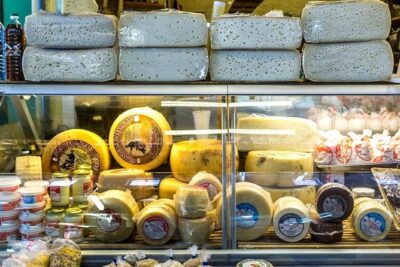 ★ 5.0PRIVATE Walking Tour with Lunch and Wine Tasting by a SommelierFrom $193113 reviews
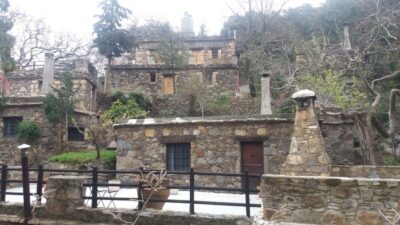 ★ 4.9Milia Mountain Tour w/Lunch Olive Oil/Wine TastingsFrom $17697 reviews
 ★ 4.9Wine, Food, and Sunset Tour with 3-Course DinnerFrom $16377 reviews
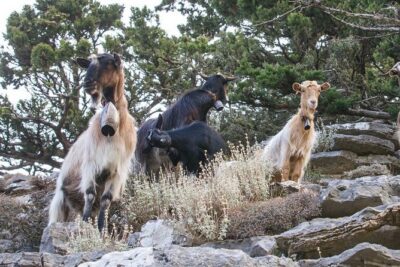 ★ 5.0Wine & Olive Oil Tour with lunch at the White MountainsFrom $18171 reviews
Browse the lists this tour appears in