
Reviewed · CHANIA FOOD & STREET-FOOD WALKS
From Chania: The Ultimate Food Tour Of Chania Villages
Cretan food tastes better with context. This 6-hour East Chania tour connects olive oil production to village life, moving from an olive mill to a tsikoudia/raki distillery and on through Apokoronas villages for tastings and explanations. You’ll get cheese tasting with varieties like Graviera and Mizithra, plus honey and rusk. One small drawback to keep in mind: some stops are sample-heavy but portion-light, like the bakery stop where the tasting can feel minimal.
I like that the day is built around real production, not just scenic stops. You’ll ride in an air-conditioned minibus, hear English commentary from the local escort/driver, and end in the village square atmosphere of Fres with a traditional Cretan lunch. The main consideration is that English can vary at family-run sites, so you may occasionally catch the vibe more than every detail.
At $135 per person, it’s not a cheap half-day—but you’re paying for guided tastings, structured visits, transportation, and lunch. Since additional food and drinks aren’t included, you’ll want to pace yourself during the tastings and decide what (if anything) you’ll want to buy on your own.
In This Review
- Key highlights
- Why East Chania’s village food beats the usual restaurant crawl
- Price and what you get for $135
- Getting picked up and moving through Apokoronas in 6 hours
- Stop 1: The olive mill and the extra-virgin tasting lesson
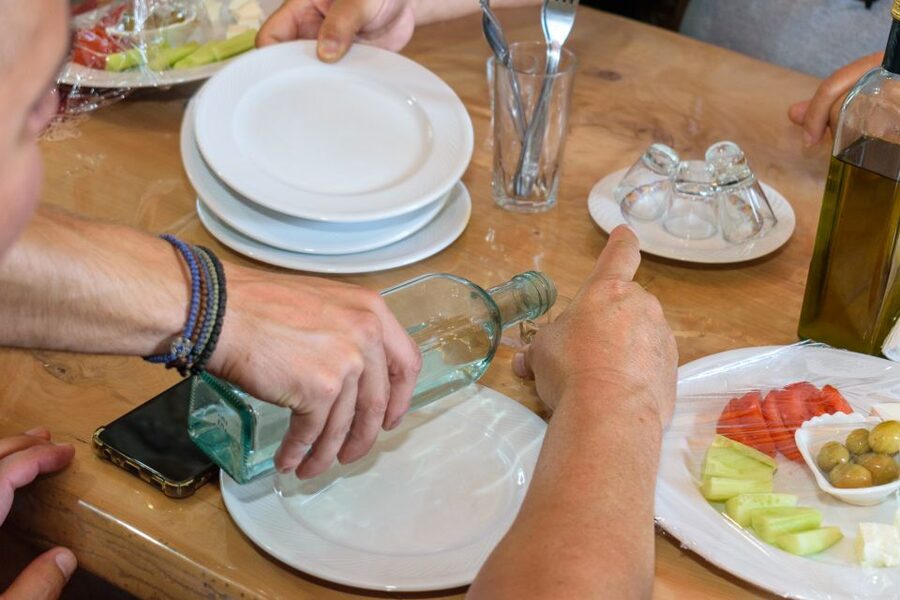
- Stop 2: Tsikoudia (raki) at a traditional distillery
- Embrosneros bakery treats, then cheese factory know-how
- Fres village lunch and the kafeneio atmosphere
- How to make the most of tastings without feeling rushed
- Who should book this East Chania food tour
- Book it or pass: my practical verdict for first-timers
- FAQ
- How long is the tour?
- How much does the tour cost?
- Where does the tour start and end?
- Is transportation included?
- What language is the guide?
- What tastings and food are included?
- Is bottled water provided?
- Are additional drinks or extra food included?
- What are the pickup timing rules?
- Is free cancellation available?
Key highlights
- Olive mill to palate: You learn the extra-virgin olive oil process and taste what it means in the glass.
- Tsikoudia/raki distillery visits: You see both a traditional setup and a more professional approach, then taste.
- Apokoronas village route: You pass through mainland villages and reach the White Mountains foothills area.
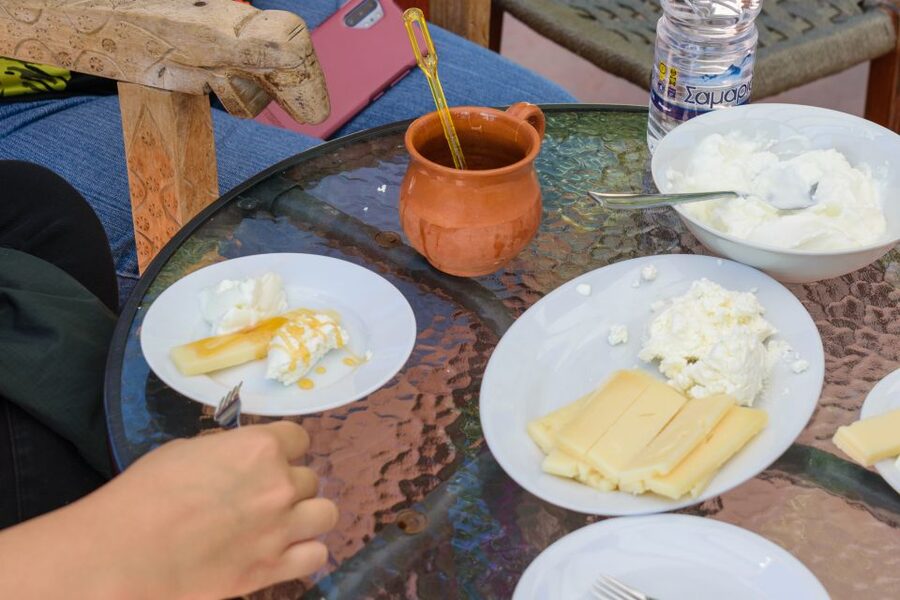
- Cheese-making stop with names you’ll remember: Graviera, Anthotiros, and Mizithra, paired with local honey and rusk.
- Bakery + kafeneio finale: Bread, cookies, and biscuits earlier, then lunch in a village coffee shop square setting.
- Local producers at small family businesses: You’re meant to meet the people making the food, not just watch.
Why East Chania’s village food beats the usual restaurant crawl
This tour works because it treats food like something made by hands, not something served on a plate. You start with a local olive mill experience, then shift to spirit production, then move into cheese and bakery culture, and finally land at a village lunch setting. That order matters: it helps you notice ingredients and techniques before you start thinking about taste.
If you’re the kind of person who wants more than a menu, you’ll like the way the day ties everyday Cretan products to the Cretan way of life. The tour aims to give you context on how items like olive oil, raki (tsikoudia), cheese, and honey show up in real households and small businesses across the countryside.
You also get the practical benefit of routing. Instead of trying to stitch together your own visits across the mainland around Chania, someone else handles the timing and driving. The day is long enough to feel worth it, but short enough that you’re not losing your entire day to transfers.
And yes, the tastings are the point. The best part is that you’re not just sampling randomly—you’re learning what you’re tasting as you go.
Follow your nose: more Chania food and street-food walks
- Walking “Food tasting tour” in the town of Chania
★ 5.0 · 297 reviews - The Delicious Chania Street Food Tour
★ 5.0 · 138 reviews - Chania: Wine, Food, and Sunset Tour with 3-Course Dinner
★ 4.9 · 77 reviews - Chania Walking Food Tours Crete with a local!
★ 4.5 · 61 reviews - Chania Area: Food Tasting Tour with Winery Visit & Swim Stop
★ 4.5 · 58 reviews
Price and what you get for $135
The headline price is $135 per person for about 6 hours. On paper, that can look like a lot. In practice, you’re not just paying for a guide with a car.
From the included list, you get:
- Hotel pickup and drop-off within the Chania region
- Air-conditioned transport in a minibus/minivan
- All tours and tastings
- Traditional Cretan lunch
- English speaking local driver/escort
- Bottled water per person
- Taxes, fees, and handling included
What’s not included is also clearly stated: additional food and drinks. That means the official lunch is covered, but if you decide you want extra drinks with it, you’re on your own.
So the value question becomes simple: do you want guided visits to an olive mill, a distillery, a cheese factory, and multiple tastings, with transportation handled? If that sounds like your idea of a great day, the price is more reasonable. If you mostly want a casual meal and photos, you might find it feels structured and a bit fast for what you want.
Getting picked up and moving through Apokoronas in 6 hours
This is set up as a pick-up and ride day, not a stroll day. Pickup points are within the Chania region, and you’ll ride out to the Apokoronas province villages and the White Mountains foothills area. Expect a steady pace: drive, stop, taste, listen, drive again.
You’ll want to be ready at pickup. The rule is straightforward: wait outside the meeting point 10 minutes before your scheduled pickup time, and the driver won’t wait longer than 5 minutes after the scheduled pickup time. That matters because you don’t want to lose time before the first tasting.
The guiding is in English via the local driver/escort. At small, family-run production sites, the person explaining might not speak English as their first language. That can create a small communication gap. It’s not a deal-breaker, but it’s worth knowing so you can focus on what you can see: the steps of production and the guided explanations that come through clearly.
Also, you’re going to taste multiple foods and spirits. This is the kind of outing where the schedule is part of the experience—so show up rested, and don’t treat the day like a run to cram everything in.
Stop 1: The olive mill and the extra-virgin tasting lesson
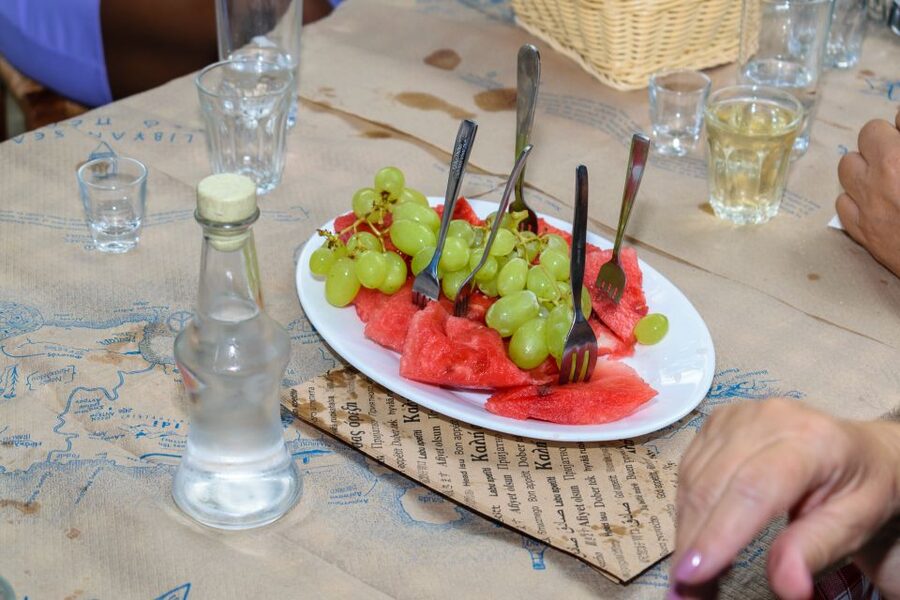
The day begins at a local olive mill, and that’s a smart starting point. Olive oil is the anchor flavor of Crete, so understanding what happens before it hits your bread makes everything that follows easier to appreciate.
You’ll see how olives go from harvesting through the production process and then into an extra-virgin olive oil tasting. The tour description emphasizes learning the details from production to the palate, and that’s exactly what you want here. You’re not just tasting oil; you’re learning what people pay attention to when they judge it—taste and quality cues you can recognize with your own senses.
Why I think this stop matters: it trains you to notice differences instead of treating olive oil like one generic condiment. If you’ve ever thought all olive oil tastes the same, this kind of visit is where your brain starts sorting flavors into categories.
The experience is also active without being stressful. An olive mill visit usually isn’t about climbing hills or walking for hours, so it works well even if you’re not in top hiking shape. You’ll likely leave this stop more confident choosing olive oil later, because you’ll have tasted it with a guide’s framing.
Stop 2: Tsikoudia (raki) at a traditional distillery
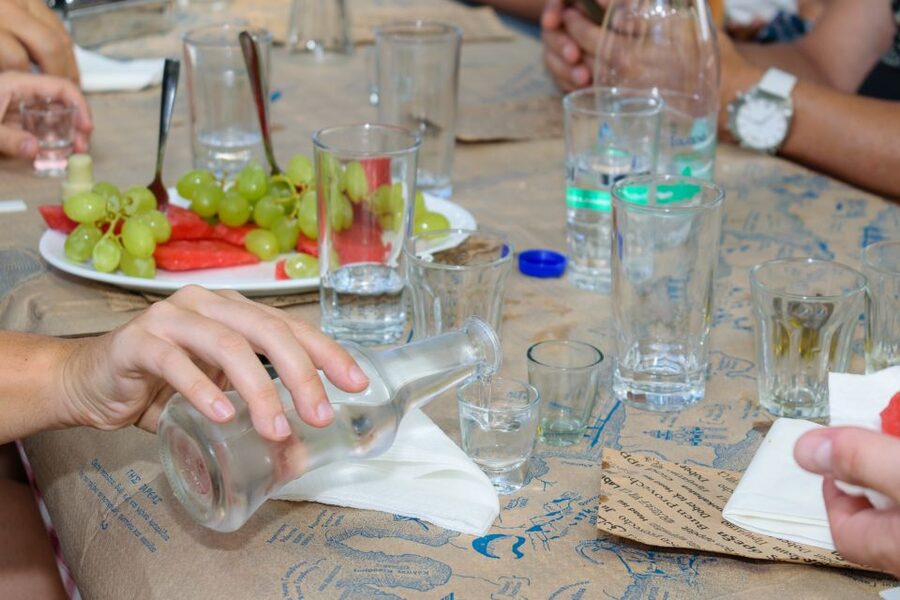
Next comes Tsikoudia, often known as raki—and this is where the tour leans into Cretan spirit culture in a hands-on way. You’ll visit a local distillery in a traditional village, and the tour setup includes both:
- a visit to the traditional distillery
- and a look at a contemporary professional approach
That combination is useful. If you only see one style, it can feel like the story starts and ends at one method. Seeing both helps you understand how tradition and modern practice can coexist in the same industry.
After the visits, there’s a tasting session. This is the moment where you’ll learn to describe what you’re drinking, not just whether you like it. If you’re cautious with spirits, pace yourself—there are more tasting stops after this.
One practical note: because this tour is focused on production and tastings, you may smell strong alcohol notes at the distillery. That’s normal. Bring your senses with you and don’t worry if you can’t catch every explanation word-for-word. The guide and the structure should keep things understandable.
More Chania food and drink to dig into
Embrosneros bakery treats, then cheese factory know-how
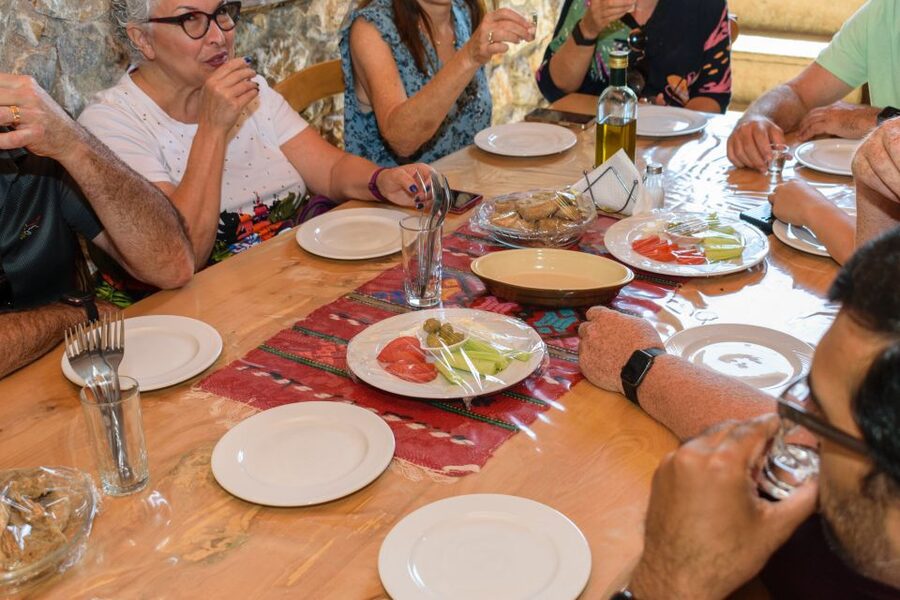
In the village of Embrosneros, the itinerary splits into two production-focused food moments.
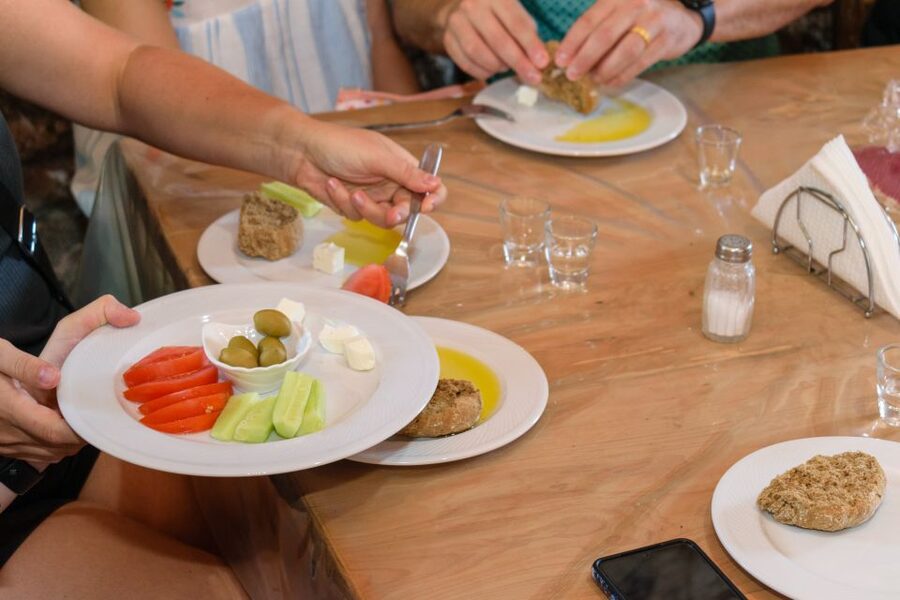
First is a bakery stop for tasting local bread, cookies, and biscuits. This part can be delightful, especially if you enjoy Cretan baked goods and simple ingredients. One caution from real-world experience: the tasting portion can be small at this stop. You might get only a limited sample item, so if you’re expecting a buffet of sweets, adjust your expectations.
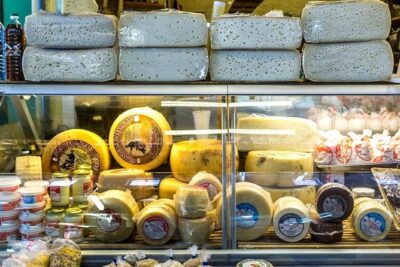
Then you move to a traditional cheese factory. This is the stop that really earns its place. The tour description and tasting plan specifically name the cheeses you’ll learn and taste:
- Graviera
- Anthotiros
- Mizithra
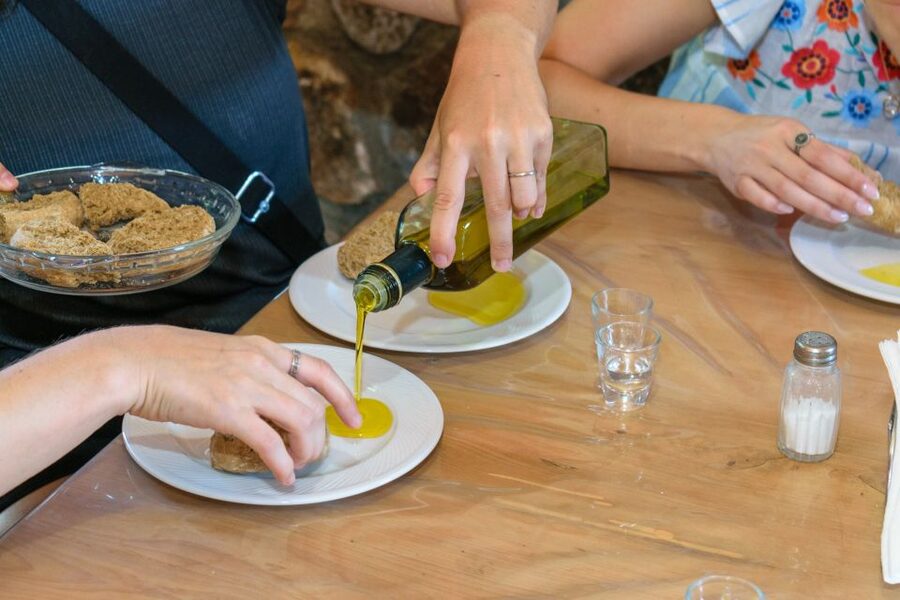
What I like here is the pairing. After explaining how each cheese is produced, you taste them with local honey and rusk (dry bread). That’s not just a random combination—it’s a way to experience how texture and flavor change together. Honey brings sweetness and aroma, rusk adds crunch and a neutral base, and the cheeses each bring different saltiness and character.
If you’re a cheese person, you’ll probably go home with a mental map of which cheese you liked best and what to look for later. If you’re not a cheese person, you can still enjoy it because the honey and rusk help the flavors feel more approachable.
Fres village lunch and the kafeneio atmosphere
The final food moment lands in the village of Fres, in a local coffee shop setting called a kafeneio. This matters because a kafeneio is where everyday life happens. You’re not only learning; you’re watching how meals fit into the social rhythm of village life.
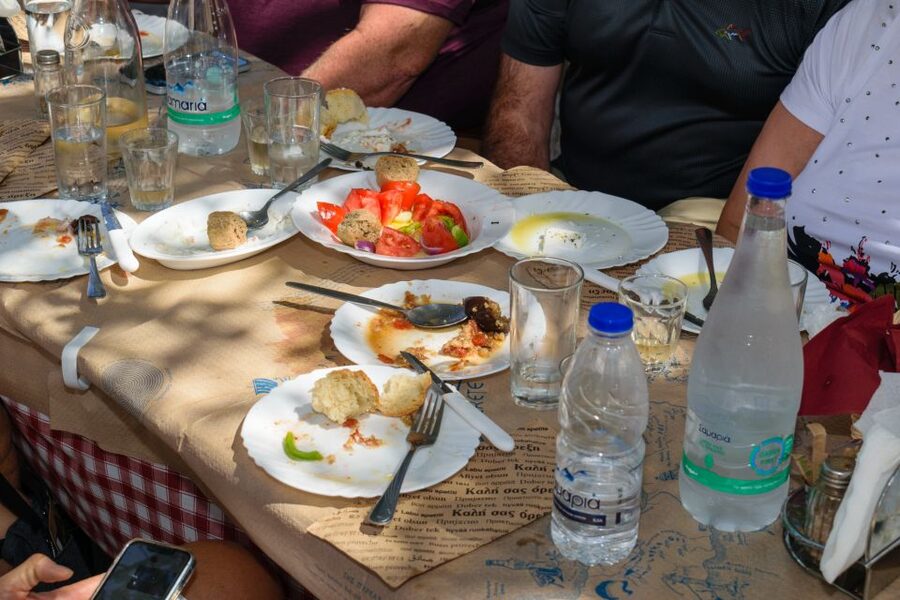
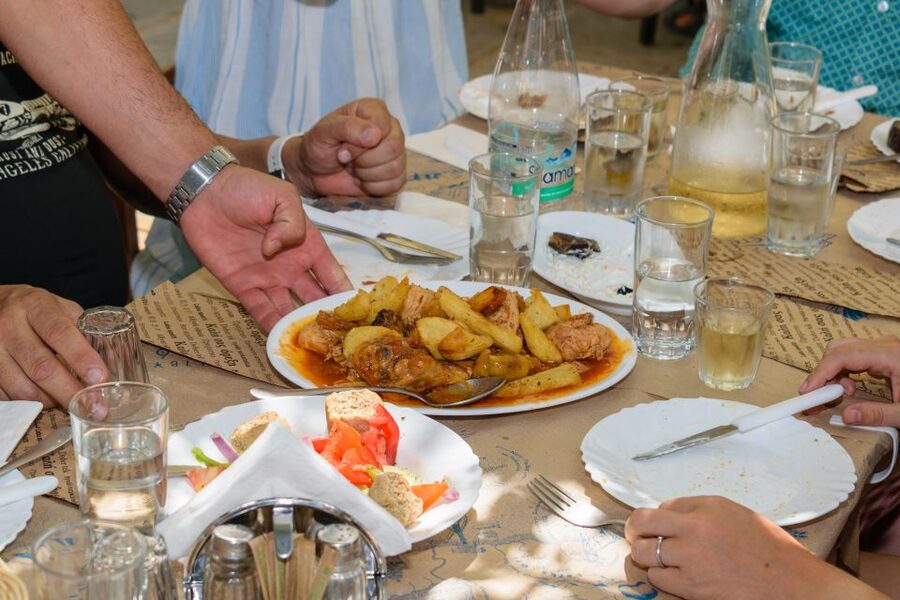
The tour includes traditional Cretan lunch, described as a customary meal served in the charming square of the village. That’s a big deal for value: lunch is one of the costliest parts of a day trip if you eat out on your own. Here, it’s included in the tour price, which makes the full-day math work better.
Also, the lunch is the moment to slow down a bit. Earlier stops involve production explanation and multiple tastings, which can build quickly in your stomach and your head. By the time you reach Fres, you’ll get something more substantial and grounded.
Is it fancy? The data doesn’t frame it that way. It’s presented as traditional and village-based, which usually means comfort-forward, recognizable flavors, and a relaxed pace compared to the production stops. Bring an appetite and a willingness to try what’s set in front of you.
How to make the most of tastings without feeling rushed
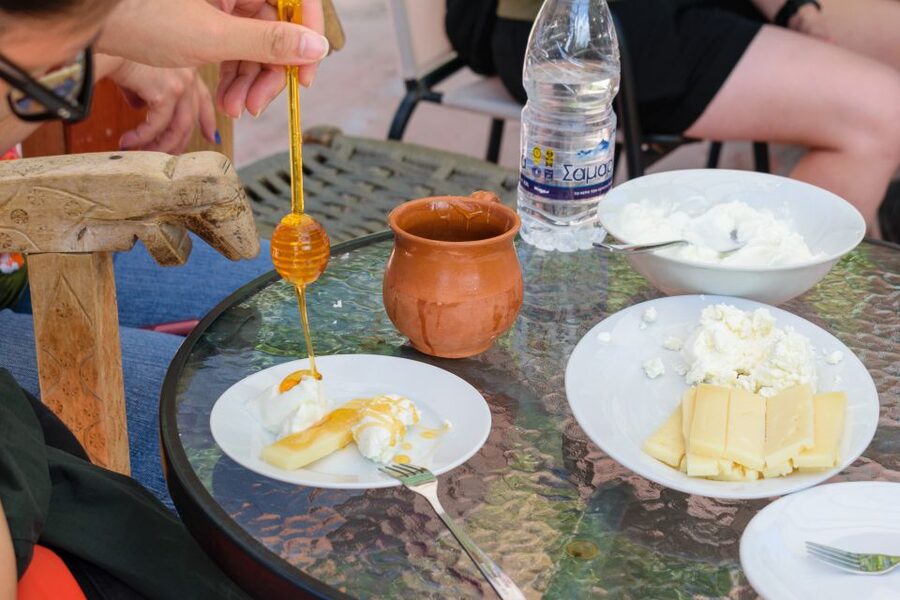
This tour is built around repeated sampling: olive oil, raki/tsikoudia, cheese, honey, rusk, bread and baked goods, plus lunch. That can be wonderful—or too much—depending on your strategy.
Here’s how to make it enjoyable:
- Take small sips and bites. You’re tasting multiple products; bigger portions reduce how clearly you can compare flavors.
- Use the guide’s explanations as a checklist. If they describe how something is made or why it tastes a certain way, try to remember that while you’re tasting.
- Don’t underestimate the alcohol. Raki tastings can sneak up, especially if you’re sensitive. Pace it and eat.
- Plan to ask one or two focused questions. English explanations can vary at different family businesses, but a simple question like what makes their product special usually helps you connect.
Also, remember that additional food and drinks aren’t included. If you want extra beer, wine, or coffee later, you can—but you’ll need to decide on the spot what feels worth it. If you’re doing the tastings, you may already be satisfied by what’s included.
Who should book this East Chania food tour
This tour is a strong match if you:
- want a guided food experience focused on production, not just eating
- like olive oil, cheese, honey, and Cretan spirits
- enjoy small, family-run stops and learning how everyday products are made
- prefer a route that covers mainland villages around Chania and reaches the Apokoronas area
It’s also a good choice for people who want structure. You get pickup, transport, stops, tastings, and lunch. That’s the kind of planning support that’s especially valuable if you don’t have a car.
You might think twice if:
- you want a lot of shopping time. This day is about tasting and learning, not browsing endless stores
- you hate alcohol tastings or get tired quickly with multiple food samples
- you’ve already done a very similar villages-and-tastings day. There can be overlap in the general area and style of stops
The tour is designed for English speakers, and the guide support is in English, but expect that some on-site producers may have accented English. That’s normal in family businesses and usually doesn’t ruin the experience.
Book it or pass: my practical verdict for first-timers
If it’s your first time looking closely at Cretan food beyond tavern meals, I think this tour is worth serious consideration. Starting at an olive mill, then moving to tsikoudia/raki, then to cheese making with Graviera/Anthotiros/Mizithra, and finishing with a traditional lunch in Fres gives you a complete, coherent food story in just 6 hours.
The main reason to pass would be expectation mismatch. If you’re hoping for a relaxed sightseeing day with big portions of baked goods at every stop, you may feel the tastings are more controlled than you want. Also, alcohol tastings might not be your thing.
But if you want to understand how Crete’s staples are made—and taste the differences with guidance—the structure is the value. At $135, the inclusion list makes it more than a casual sampler. It’s a food-focused route through real producers, in the countryside around Chania.
If you like, tell me your travel month and whether you’re sensitive to alcohol, and I’ll help you decide how to plan your day around the tastings.
FAQ
How long is the tour?
The duration is listed as 6 hours.
How much does the tour cost?
The price is $135 per person.
Where does the tour start and end?
It includes hotel pickup and drop-off, and all pick-up points are within the Chania region.
Is transportation included?
Yes. You’ll be transported by air-conditioned minibus/minivan.
What language is the guide?
The tour includes an English-speaking local driver/escort.
What tastings and food are included?
You’ll have tastings connected to olive oil production, tsikoudia/raki production, a bakery stop (bread, cookies, biscuits), a cheese factory (including Graviera, Anthotiros, Mizithra), plus honey and rusk, and you’ll have a traditional Cretan lunch.
Is bottled water provided?
Yes. Bottled water per person is included.
Are additional drinks or extra food included?
No. Additional food and drinks are not included.
What are the pickup timing rules?
You should wait outside the meeting point 10 minutes before pickup. The driver won’t wait longer than 5 minutes after the scheduled pickup time.
Is free cancellation available?
Yes. You can cancel up to 24 hours in advance for a full refund.
More Chania Food and Drink
- Walking “Food tasting tour” in the town of Chania★ 5.0 · 297 reviews
- The Delicious Chania Street Food Tour★ 5.0 · 138 reviews
- PRIVATE Walking Tour with Lunch and Wine Tasting by a Sommelier★ 5.0 · 113 reviews
- Sunset Craft Beer & Food Tour – Chania Old Port★ 5.0 · 86 reviews
- Chania: Wine, Food, and Sunset Tour with 3-Course Dinner★ 4.9 · 77 reviews
More Tour Reviews in Chania
- From Kissamos Port: Boat Cruise to Balos Lagoon & Gramvousa★ 4.2 · 6,755 reviews
- From Chania: Full-Day Samaria Gorge Trek Excursion & Guide★ 4.6 · 3,191 reviews
- Cretan Safari – 4×4 Adventure to Preveli Beach with Lunch★ 5.0 · 780 reviews
- Elafonissi Beach Day Trip from Chania -Stop in Elos Village★ 4.5 · 744 reviews
- From Chania: Samaria Gorge with Professional Hiking Guide★ 4.6 · 720 reviews
Still Hungry? More Food Walks
- Walking “Food tasting tour” in the town of Chania★ 5.0 · 297 reviews
- The Delicious Chania Street Food Tour★ 5.0 · 138 reviews
- Sunset Craft Beer & Food Tour – Chania Old Port★ 5.0 · 86 reviews
- Chania: Wine, Food, and Sunset Tour with 3-Course Dinner★ 4.9 · 77 reviews
- Chania Walking Food Tours Crete with a local!★ 4.5 · 61 reviews
Not sorted yet? Keep browsing things to do around Chania


Chania Food & Street-Food Walks, compared.
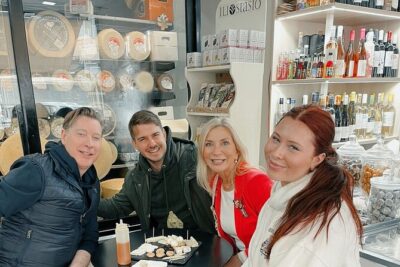 ★ 5.0Walking “Food tasting tour” in the town of ChaniaFrom $105297 reviews
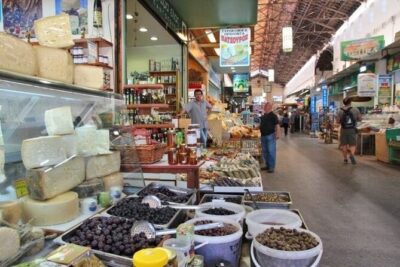 ★ 5.0The Delicious Chania Street Food TourFrom $108138 reviews
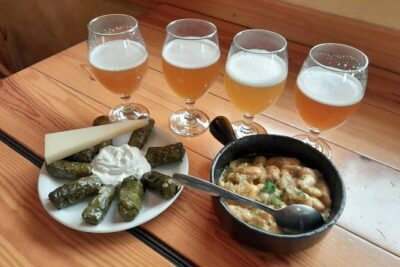 ★ 5.0Sunset Craft Beer & Food Tour – Chania Old PortFrom $13286 reviews
 ★ 4.9Wine, Food, and Sunset Tour with 3-Course DinnerFrom $16377 reviews
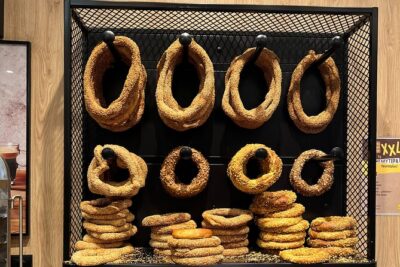 ★ 4.5Chania Walking Food Tours Crete with a local!From $10761 reviews
 ★ 4.5Chania Area: Food Tasting Tour with Winery Visit & Swim Stop58 reviews
 ★ 5.0Gastronomy tour and wine tasting in traditional villagesFrom $21632 reviews
 ★ 5.0Cruise Ship Guest Beer & Food Tour – Chania Old PortFrom $10826 reviews
Browse the lists this tour appears in