

Reviewed · CHANIA COOKING CLASSES & GREEK NIGHTS
Chania: Authentic Cooking Class
Five Mediterranean dishes, cooked family-style near Chania.
What makes Chania Cooking Class special is the garden-to-plate feeling, with herbs and vegetables coming straight from the yard or local farmers, plus the wood-fired stone oven work that turns the main lamb dish into a real event. I love that you learn the dishes, not just the outcome, and I love the warm, homey way you’re welcomed in. One possible consideration: it’s about a 10–15 minute drive from central Chania, and transportation isn’t included (though pickup/transfer options exist).
You’ll spend four hours in Nerokourou—under olive trees, in a working family setting—and you’ll cook, snack, and eat as a group. Instruction is in English, and the pace is built around the long oven cooking time, so you’re never just sitting around wondering what’s next. If you’re short on time in Chania or you hate being out for a full afternoon, plan carefully.
In This Review
- Key highlights you’ll actually care about
- Chania’s Nerokourou setup: a family home, not a showroom
- The 4-hour flow: what happens when the oven does the heavy lifting
- The menu you’ll cook: lamb, dolmades, stuffed veg, kalitsounia, and snackable classics
- Thieves dinner: oven-roasted lamb with a story attached
- Stuffed vegetables and dolmades: the rolling-and-stuffing skill set
- Kalitsounia: dough rolling plus cheese-and-greens filling
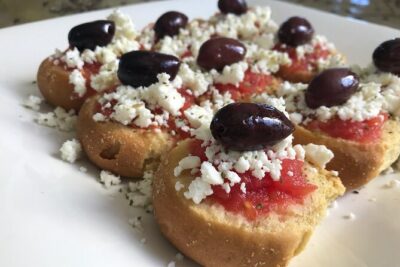
- Tzatziki and dakos: appetizers that hit right after all the work
- The family-orchard experience: what makes it feel human
- Wine, raki, and dessert: how the finishing meal works
- Price and value: what $129 really buys you in this setting
- Logistics in plain English: pickup, transfer, and getting there
- Who should book this cooking class (and who might skip it)
- My take: should you book the Chania Authentic Cooking Class?
- FAQ
- How long is the Chania Authentic Cooking Class?
- What does the $129 per person price include?
- Is transportation included?
- Is the cooking class taught in English?
- Is the venue wheelchair accessible?
- What kinds of dishes will you learn to make?
Key highlights you’ll actually care about
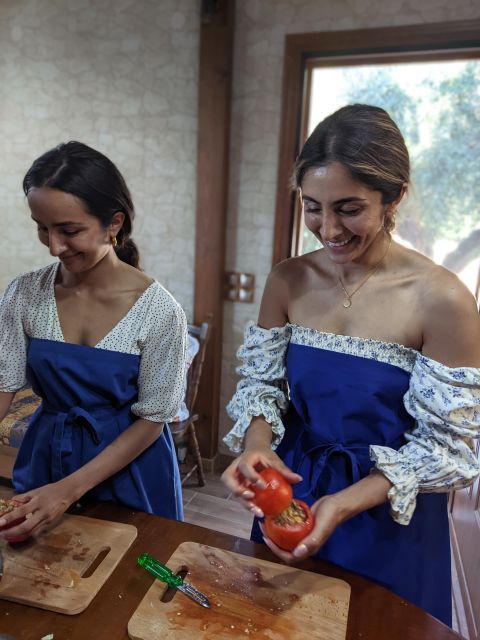
- Veerna runs the show: praised again and again for both hosting and teaching, including long-running kalitsounia expertise.
- Wood-fired lamb cooks for over 2 hours: you learn the story behind the dish called the thieves dinner while it slow-roasts.
- Dolmades and kalitsounia are hands-on skills: rolling grape leaves and shaping cheese-and-greens pies take practice you’ll get right there.
- Real garden and local ingredients: herbs and veggies are gathered for stuffing, not just bought prepped.
- Appetizers first, even though they’re made later: tzatziki and dakos show up when you’re hungry and ready.
- You finish at the table with wine, raki, and dessert: it’s not a snacky demo—this ends as a full meal.
Chania’s Nerokourou setup: a family home, not a showroom
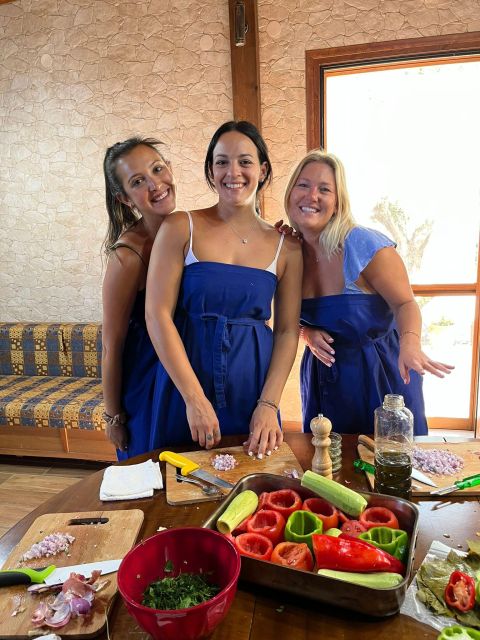
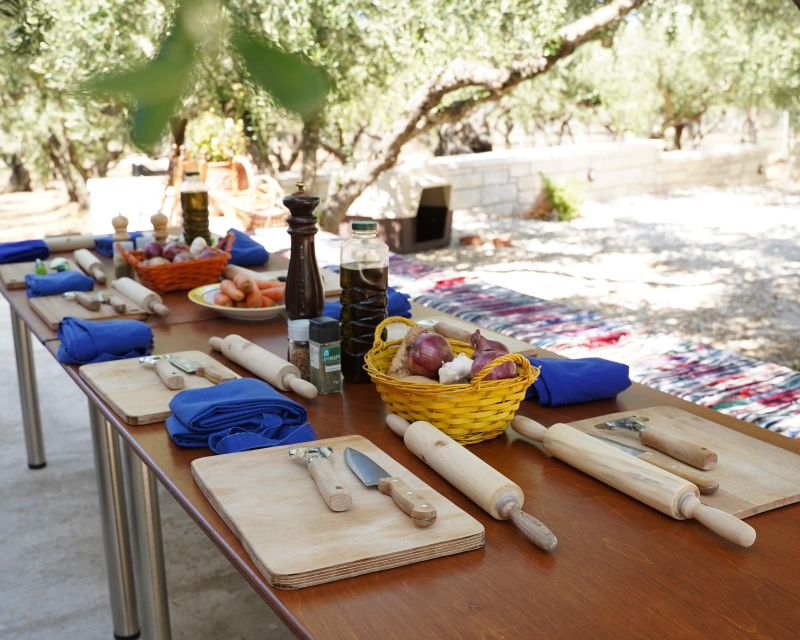
This isn’t the kind of cooking class where you stand behind glass and watch. The whole experience runs from a family home and olive-orchard setting in Nerokourou, about a short ride from the center of Chania. You come in, get a homemade welcome drink (often something like Greek coffee) and cookies, then settle into the rhythm of a real kitchen day.
The setting matters because it changes how the class feels. When you’re under avocado and olive trees and you’re hearing the stories tied to each dish, the food stops being a list of recipes and starts being a way of life. A lot of participants also mention meeting friendly family members and seeing the farm side of the property—farm animals and even puppies show up in the background of the day.
There’s a practical side too: because it’s a home and orchard, the “wait time” during baking is usually paired with small tours and breaks. So you’re not trapped in a single room while dough and meat do their slow work.
Hands in the dough? More Chania cooking classes and Greek nights
- Chania Cooking Class in Crete with rustic, delicious and homely Cretan food!
★ 4.5 · 14 reviews - Pottery – Honey & Olive Oil experience
★ 4.5 · 9 reviews - Chania Sourdough Bread Class – Olive Oil Tasting
★ 5.0 · 6 reviews - Authentic and Traditional Cooking Class in Chania Crete
★ 5.0 · 5 reviews
The 4-hour flow: what happens when the oven does the heavy lifting
The timing is built around one big truth of Cretan cooking: some dishes take time. Lamb in a wood-fired stone oven cooks for over two hours, which means the class has a natural structure—build, roll, stuff, and snack while the oven works.
Here’s the day in the order you’ll feel it:
You start with a homemade refreshment or Greek coffee and cookies. While you’re sipping, you’ll get an overview of the Mediterranean-based menu so you know what’s coming and why each part matters. This early orientation is useful if you’re the type who likes to know the logic before you start touching ingredients.
Then the lamb goes into the oven first, because it needs that long cooking window. As it roasts, you’ll learn why it’s called the thieves dinner and what historical significance is tied to that name. Even if you’re not a history buff, the explanation gives the dish more meaning than just flavor.
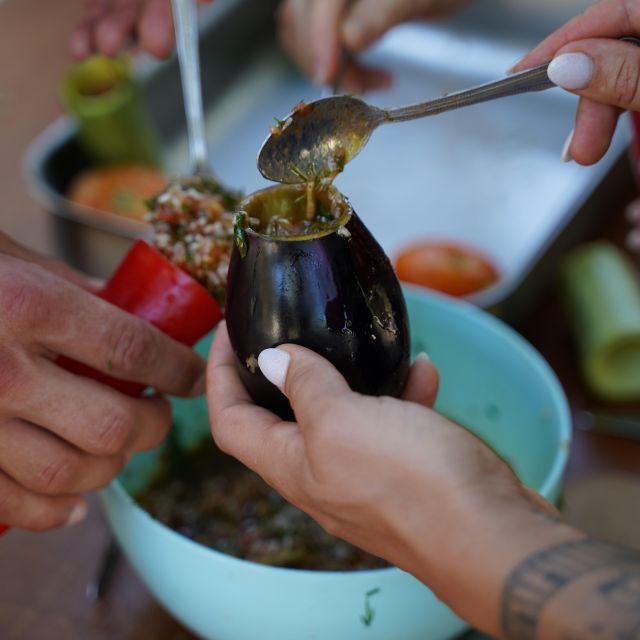
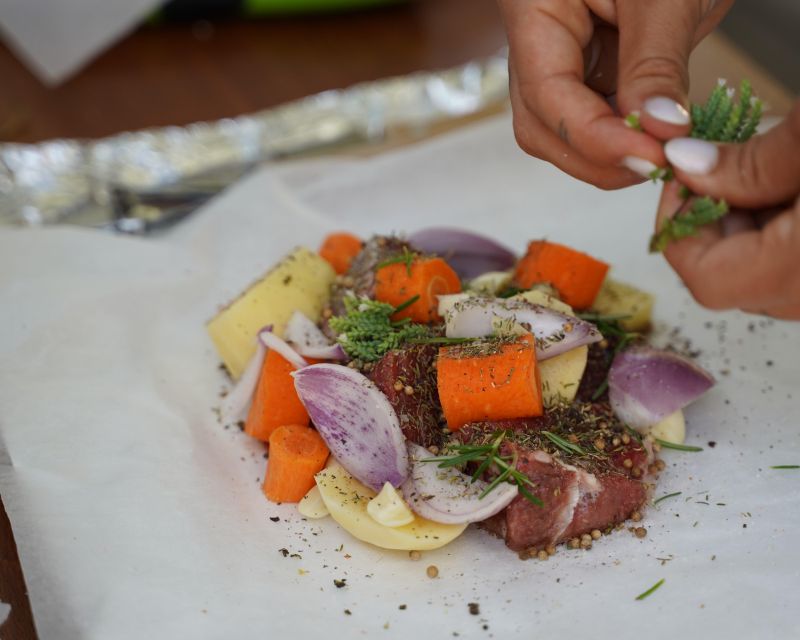
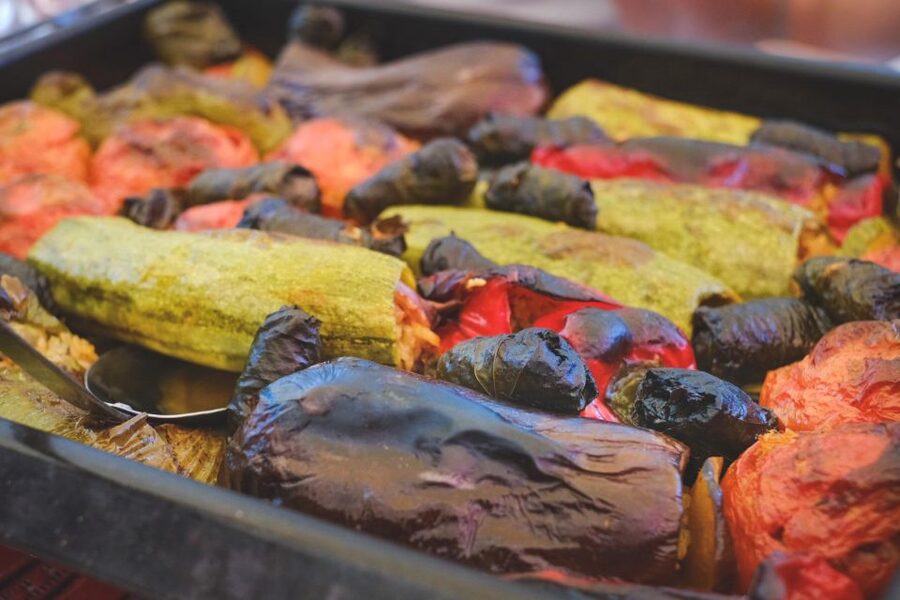
After the lamb is underway, the class turns to the hands-on rolling and stuffing. You’ll prepare stuffed vegetables and stuffed grape leaves (dolmades), gathering herbs and veggies for the filling. The dolmades part is where technique matters—rolling grape leaves is delicate work, and the teaching focuses on getting the roll right rather than rushing toward perfection.
Once the grape leaves are in the oven, you move to kalitsounia. This is the moment for dough work: roll out the dough, fill the pies with cheese and wild greens, then shape them into the traditional form. Rolling pins come out, and you’ll see that the dough isn’t just a prop—it’s part of the lesson.
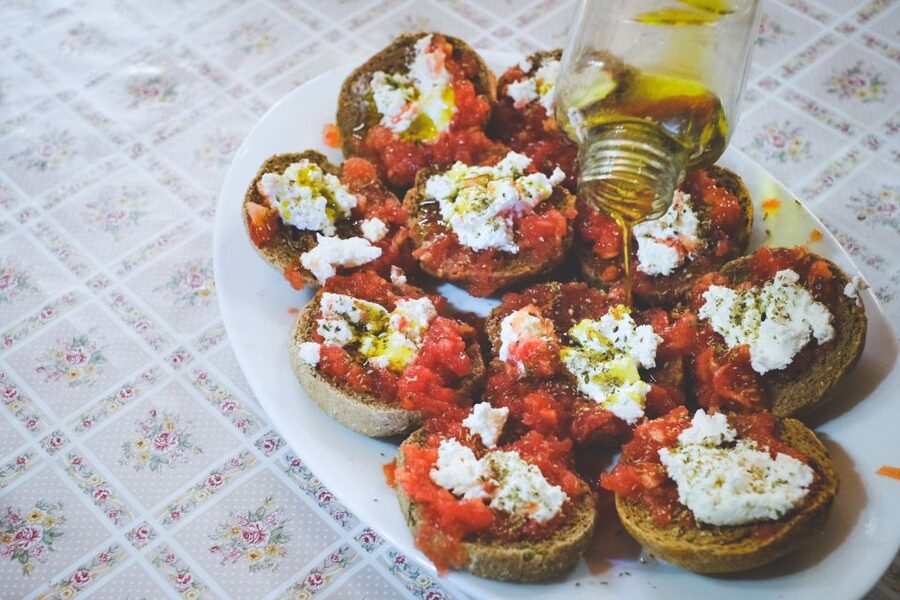
Finally, appetizers are prepared last but enjoyed first when they’re done. Expect tzatziki and dakos, which are simple on paper and satisfying in real life—especially after you’ve been cooking for hours.
Then comes the meal. You’ll sit down to eat the Cretan dishes you made, with copious amounts of local wine and raki, and dessert at the end so you don’t leave hungry.
The menu you’ll cook: lamb, dolmades, stuffed veg, kalitsounia, and snackable classics
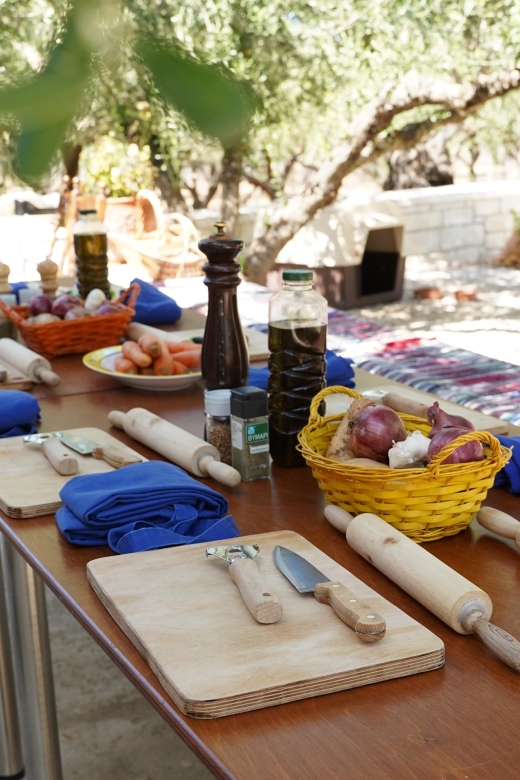
This class is built around five core “must know” Cretan/Mediterranean items, and the value is in the variety of techniques.
Thieves dinner: oven-roasted lamb with a story attached
The main event is oven-roasted lamb cooked in a wood-fired stone oven for over two hours. That long cook time is the difference between lamb that’s just cooked and lamb that’s tender and deeply flavored.
What I like here is that you don’t just wait. You’re taught why the dish has the name thieves dinner and what historical context is connected to it. That kind of explanation helps you remember the dish later when you’re trying to recreate it at home.
Stuffed vegetables and dolmades: the rolling-and-stuffing skill set
Stuffed vegetables are part of the practical foundation: you learn how fillings are built and how herbs and garden produce shape the flavor. Then dolmades take over as the signature delicate skill.
Rolling grape leaves is one of those tasks that looks easy until you try it. You’ll be guided through the rolling technique, and you’ll get it done yourself—not just watched.
Kalitsounia: dough rolling plus cheese-and-greens filling
Kalitsounia are traditional pies, and they’re where the class turns from “stuffing” to “shaping.” You roll out the dough, fill with cheese and wild greens, and put your hands on the steps that make the pies recognizable.
This is also where the reputation of the lead cook really shows. Veerna is repeatedly described as the best cook in the area with kalitsounia sold for years, and that shows in the confidence of the instruction.
Tzatziki and dakos: appetizers that hit right after all the work
Tzatziki and dakos are prepared and then enjoyed as appetizers. This pairing works because it balances the heavier dishes with fresh, tangy flavors. It’s the sort of food you’ll actually want to remake once you get home—simple enough to repeat, but still special because of the ingredients.
The family-orchard experience: what makes it feel human
A cooking class can be great food plus instructions. This one adds a “you’re in someone’s home” feel.
People commonly describe the atmosphere as family-run and well organized, with familiar faces stopping by to greet guests. You’ll also get that orchard perspective while things bake—visits around the herb garden and the olive grove setting are part of the experience in the gaps between cooking stages.
And if you’re cooking with kids or you’re traveling as a mixed group, this kind of atmosphere tends to work well. Several participants mention that even younger guests ate the vegetables and enjoyed the day, which tells me the class design isn’t just for adults who already cook.
One note if you’re picky about pace: because lamb needs time, the day includes moments of waiting. Still, it’s structured waiting, not dead time. The day usually flows with small breaks and small tasks that keep everyone engaged.
Wine, raki, and dessert: how the finishing meal works
This is not a class where you snack for an hour and then call it done. You finish with a full sit-down meal that includes all the traditional dishes you prepared.
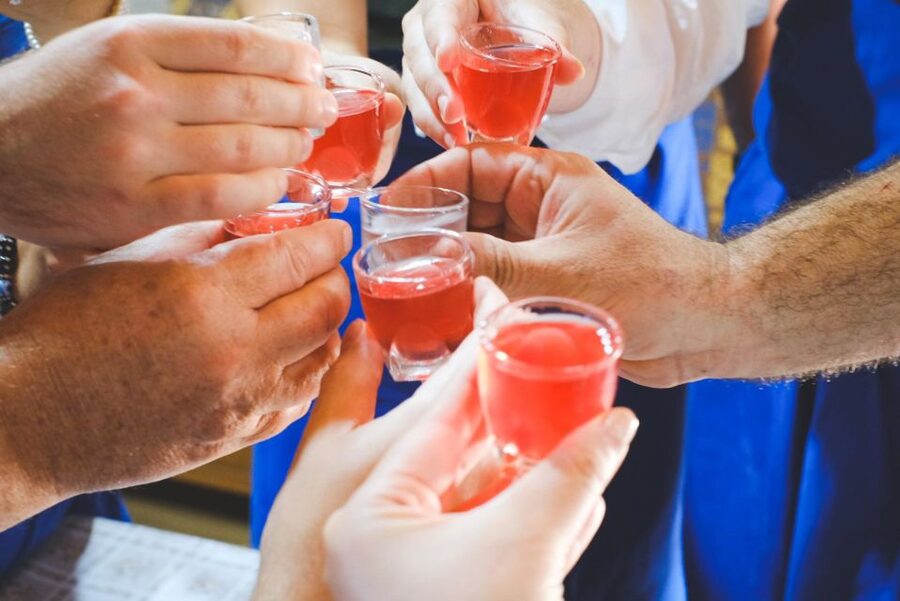
Local wine and raki are served generously, which is part celebration, part bonding. The key here is that the alcohol is tied to the meal, not tacked on randomly. If you prefer to pace yourself, you’ll likely find it easy to sip rather than chug, since the food is what anchors the evening.
Dessert is included, and the class makes sure you leave room for it. That small detail matters because otherwise dessert can feel like an afterthought. Here it’s treated as the last step of the meal.
A couple of practical upgrades also show up in the experience: some participants mention that recipes are shared so you can try the dishes at home, and leftovers may come in take-home boxes. That means you’re not just paying for the day—you’re paying for a repeatable meal plan you can actually use.
Price and value: what $129 really buys you in this setting
At $129 per person for a four-hour class, you’re paying for more than “a cooking lesson.” You’re paying for ingredients, guided hands-on work, and a meal with drinks.
Here’s how the value adds up from the structure:
- You make multiple dishes with different techniques (rolling, stuffing, shaping, cooking).
- Ingredients are gathered from the garden or local farmers, which affects both quality and the authenticity you’re trying to learn.
- The oven work is included, and the day culminates in a full meal you eat together.
- Wine and raki are included in generous amounts, plus dessert.
The main cost consideration is what isn’t included: transportation. The class is outside the center of Chania, in Nerokourou, and you may need a taxi or car. If you’re not staying nearby, that extra transit cost can change how good the value feels. Still, the majority of the experience is on-site, and the setting and meal are a big part of what you’re paying for.
Logistics in plain English: pickup, transfer, and getting there
The class is located about 10–15 minutes from central Chania in Nerokourou. It’s described as easy to reach by car or taxi, with parking along the fence.
Pickup is listed as included with the exact location provided, and there’s also transfer service for an extra fee depending on where you’re coming from. The transport is semi-private, using a 9-seat van and a 5-seat EV, so you might share a ride with other people joining the class.
If you’re driving yourself, plan for that short hop out of the center and aim to arrive a few minutes early so you’re not rushed during the welcome drink and orientation.
Wheelchair accessibility is listed, so if you use a mobility device, it’s worth noting that the experience is marked as wheelchair accessible.
Who should book this cooking class (and who might skip it)
I’d point you to this class if you want:
- A Chania cooking class that feels like a family day in an olive grove, not a staged event.
- Hands-on instruction for dishes like dolmades and kalitsounia.
- The full Mediterranean meal experience, with snacks, a main table meal, wine, raki, and dessert.
You might think twice if:
- You need something closer to the city center, with no extra taxi costs.
- You don’t want alcohol included with the meal.
- You prefer a shorter activity. Four hours is a real commitment.
If you’re a food traveler who likes learning technique plus story, this is a strong fit. If you simply want a quick taste and move on, you may feel it’s longer than you need.
My take: should you book the Chania Authentic Cooking Class?
Book it if you want authentic Cretan cooking you can actually recreate—lamb slow-cooked in a wood-fired stone oven, dolmades rolling practice, and kalitsounia shaping you’ll remember. The setting in Nerokourou adds real atmosphere, and the final meal with wine, raki, and dessert is a big part of the value.
If transportation is your main friction point, price the taxi or transfer into your budget before you commit. Do that once, and you’ll quickly see why so many people rate it as a top Chania highlight: you’re not just watching cooking. You’re learning it, eating it, and leaving with memories that taste like Crete.
FAQ
How long is the Chania Authentic Cooking Class?
The class lasts 4 hours.
What does the $129 per person price include?
You get everything needed for the experience, including ingredients, and a lunch or dinner. Local wine and raki are included in generous amounts.
Is transportation included?
Transportation is not included. The class is located 10–15 minutes from the center of Chania in Nerokourou. Pickup is listed as included, and transfer service is available for an extra fee depending on your location.
Is the cooking class taught in English?
Yes. The instructor speaks English.
Is the venue wheelchair accessible?
Yes, the activity is listed as wheelchair accessible.
What kinds of dishes will you learn to make?
You’ll prepare several Cretan Mediterranean items, including oven-roasted lamb (the thieves dinner), stuffed vegetables, stuffed grape leaves (dolmades), kalitsounia dough and pies with cheese and wild greens, plus appetizers like tzatziki and dakos, followed by dessert.
More Chania Hands-On Workshops
- Chania Cooking Class in Crete with rustic, delicious and homely Cretan food!★ 4.5 · 14 reviews
- Chania Sourdough Bread Class – Olive Oil Tasting★ 5.0 · 6 reviews
- Authentic and Traditional Cooking Class in Chania Crete★ 5.0 · 5 reviews
More Tour Reviews in Chania
- From Kissamos Port: Boat Cruise to Balos Lagoon & Gramvousa★ 4.2 · 6,755 reviews
- From Chania: Full-Day Samaria Gorge Trek Excursion & Guide★ 4.6 · 3,191 reviews
- Cretan Safari – 4×4 Adventure to Preveli Beach with Lunch★ 5.0 · 780 reviews
- Elafonissi Beach Day Trip from Chania -Stop in Elos Village★ 4.5 · 744 reviews
- From Chania: Samaria Gorge with Professional Hiking Guide★ 4.6 · 720 reviews
Back in the Kitchen: More Classes
- Chania Cooking Class in Crete with rustic, delicious and homely Cretan food!★ 4.5 · 14 reviews
- Pottery – Honey & Olive Oil experience★ 4.5 · 9 reviews
- Chania Sourdough Bread Class – Olive Oil Tasting★ 5.0 · 6 reviews
- Authentic and Traditional Cooking Class in Chania Crete★ 5.0 · 5 reviews
Not sorted yet? Keep browsing things to do around Chania


Chania Cooking Classes & Greek Nights, compared.
 ★ 4.8Kissamos: Greek Night with Buffet Dinner and Plate SmashingFrom $4242 reviews
 ★ 4.5Chania Cooking Class in Crete with rustic, delicious and homely Cretan food!From $19014 reviews
 ★ 4.5Pottery – Honey & Olive Oil experienceFrom $7229 reviews
 ★ 5.0Chania Sourdough Bread Class – Olive Oil TastingFrom $1066 reviews
 ★ 5.0Authentic and Traditional Cooking Class in Chania CreteFrom $645 reviews
 ★ 4.0Cretan Night Experience – Dinner, Music & DanceFrom $564 reviews
 ★ 5.0Cooking Class & Greek Night ExperienceFrom $543 reviews
Browse the lists this tour appears in